
Best Wholesale Flour for Neapolitan and Classic Pizza Menus: Strength, Fermentation and Trade Buying
Wholesale flour choices shape dough handling, fermentation, crust texture, bake quality and menu consistency in every pizza kitchen. The best flour for a Neapolitan or classic pizza menu depends on oven heat, dough process, fermentation time, staff skill, storage setup and the style of pizza the customer expects.
Most pizzerias should start with one dependable core pizza flour for daily dough, then add a stronger long-fermentation flour or support flour only when the menu and storage routine justify it. Flour stock should earn its place through repeatable dough performance, staff confidence and weekly usage, not just brand name or bag price.
Nine principles for choosing wholesale pizza flour
What makes flour suitable for a pizza menu?
Flour is suitable for a pizza menu when it supports the dough process, oven setup and finished pizza style. A flour that works well in a high-heat Neapolitan oven may not be the best choice for a classic delivery pizza, tray bake or lower-temperature kitchen.
Dough strength is only one part of the decision. The flour also needs to absorb water properly, stretch without tearing, ferment predictably, colour well and give staff enough confidence during shaping.
Menu style should lead the flour choice. A light Neapolitan-style pizza needs different handling from a sturdier classic pizza that carries more toppings, travels in a box or sits longer before eating.
Staff skill also matters. A flour that performs beautifully in expert hands may slow down a team that needs simpler handling during busy shifts. Flour should protect service, not turn every dough batch into a training problem.
The practical test is repeatability. The same flour should help the team make the same pizza again tomorrow. A flour that changes the feel of the dough too often makes service harder to control.
Neapolitan and classic pizza menus need different flour thinking
Neapolitan and classic pizza menus need different flour choices because they ask the dough to do different jobs. Both styles need quality flour, but the finished base, oven heat, fermentation and topping load are not the same.
Neapolitan-style pizza usually depends on high heat, fast baking and a light, open crust. The dough needs stretch, elasticity and enough strength to handle fermentation without becoming weak or tight.
Classic pizza menus often need more tolerance. A classic base may carry heavier toppings, bake at a lower temperature, travel for takeaway or hold slightly longer before eating. The flour needs enough structure to protect texture and customer expectation.
Delivery-led menus need extra care. A dough that tastes excellent straight from the oven may soften quickly inside a box when the flour, sauce, cheese and bake are not balanced.
The best flour choice is the one that fits the menu reality. A pizzeria should choose flour for the pizza it actually sells, not the pizza style it wants to claim.
Flour strength, protein and W value explained for trade buyers
Flour strength describes how well flour can support dough structure during mixing, fermentation, stretching and baking. Protein content is one clue, but it does not tell the whole story on its own.
Protein affects gluten development. Higher-protein flour usually gives more structure and can support longer fermentation or higher hydration, but too much strength can make dough harder to open when the process does not match it.
W value is another measure buyers may see on specialist flour. A higher W value usually suggests stronger flour that can handle longer fermentation and more demanding dough processes. A lower or moderate strength may suit shorter dough routines or simpler menus.
Absorption matters too. Some flours take more water than others, which changes dough feel, handling and bake. A kitchen switching flour should never assume the same hydration will work straight away.
Flour strength should match the dough schedule. A short same-day dough, a 24-hour dough and a 48-hour cold-fermented dough may each need different flour behaviour.
| Pizza menu type | Flour need | Main watchout |
|---|---|---|
| Neapolitan-style pizza | Elastic flour that supports high heat and stretch | Weak dough can tear or collapse after fermentation |
| Classic round pizza | Balanced strength, colour and handling | Too much strength can make shaping slow |
| Delivery pizza | Structure, bake stability and topping support | Softening in the box can expose weak dough |
| Tray pizza | Good absorption and even bake | Heavy dough can feel dense when hydration is wrong |
| Focaccia or thicker bases | Higher absorption and structure | Poor handling can create uneven crumb |
| Same-day dough | Predictable handling and shorter fermentation tolerance | Strong flour may not relax enough |
| Cold-fermented dough | Strength for longer rest and flavour development | Weak flour can lose structure before service |
This table should guide the first discussion, not replace a kitchen test. Flour behaviour changes with mixer type, water level, room temperature, fridge space, dough ball size, oven heat and staff handling.
Which flour works best for Neapolitan-style pizza?
Neapolitan-style pizza usually needs flour that supports stretch, fermentation and high-heat baking. The dough should open cleanly, hold its shape, puff at the edge and bake quickly without becoming tough.
A suitable Neapolitan flour often needs enough strength to handle longer fermentation. The dough may rest at room temperature, in controlled storage or through a cold process depending on the kitchen. Weak flour can over-relax, tear or bake flat.
Elasticity is important at the bench. Staff need dough that opens without fighting back aggressively. Dough that springs back too much slows service, while dough that stretches too easily can become thin and fragile.
Oven heat should guide final testing. A flour that performs well in a very hot oven may not give the same result in a lower-temperature setup. Test flour in the real oven before committing to repeat orders.
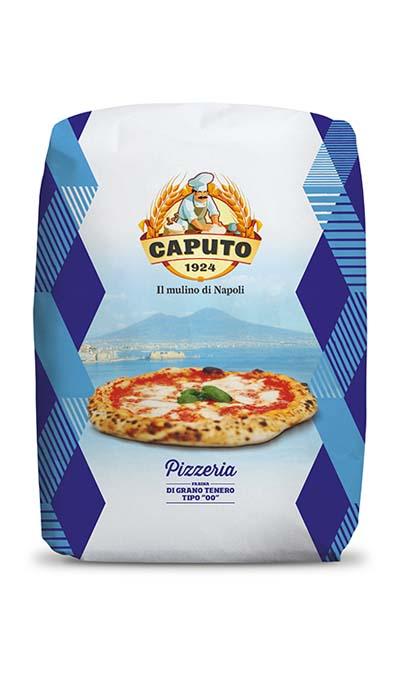
High-heat Neapolitan route
A high-heat Neapolitan route needs flour that can support stretch, fermentation and fast oven spring. The flour should help the dough open cleanly during service, not only look right during a quiet test.
Use case: Neapolitan-style pizza, lighter crusts and fast bake
Product role: A flour that supports stretch, fermentation and high-heat oven performance
Typical fit: Specialist Italian pizza flour, including Caputo-style pizza flour where suitable
Trade judgement: A flour that works in one oven can fail in another. The real oven decides.
Long-fermentation route
A long-fermentation route needs flour that can hold structure across the planned rest. Longer fermentation only helps when the flour, temperature and staff routine are under control.
Use case: Dough rested for longer flavour development
Product role: A stronger flour that can hold structure across the planned rest
Typical fit: Higher-strength pizza flour suited to controlled fermentation
Trade judgement: Strong flour is useful only when the kitchen has the process to manage it.
Staff-confidence route
A staff-confidence route needs flour that behaves predictably across the team. A flour that only one person can handle properly is a risk when service depends on several people.
Use case: Busy sites with mixed staff experience
Product role: A flour that gives predictable handling across the team
Typical fit: Balanced pizza flour with reliable stretch and shaping behaviour
Trade judgement: The best flour is the one the team can handle on a busy Saturday, not the one that sounds best in theory.
Which flour works best for classic pizza menus?
Classic pizza menus usually need flour that gives reliable structure, steady bake colour and predictable handling. The base often needs to carry more topping than a light Neapolitan pizza, especially in restaurants, takeaways and delivery-led shops.
A balanced pizza flour can work well for classic menus. The dough should stretch without tearing, hold toppings, bake through and keep the base pleasant after slicing, boxing or serving.
Colour matters more than many buyers expect. Some classic pizza customers expect a more evenly baked base and edge, not only a pale, soft crust. Flour choice, oven heat and bake time all influence that result.
Topping load should guide testing. A classic pepperoni, meat feast, vegetarian or extra-cheese pizza can expose dough weakness faster than a simple cheese pizza. Test the flour with the menu items that put most pressure on the base.
Delivery performance should be checked after boxing. A pizza that leaves the oven well can soften quickly when the sauce, cheese, topping load and flour choice are not balanced.
Product-led flour buying routes
Product-led flour buying should start with the job the flour needs to do. A pizzeria may need one core pizza flour, one specialist dough flour and one support product for bench work, pasta prep or wider kitchen use.
Caputo Pizzeria-style flour
Use case: Neapolitan-style pizza and high-heat pizza ovens
Product role: A specialist pizza flour route for dough that needs stretch, fermentation support and fast bake performance
Trade description: This type of flour suits pizzerias that want a lighter crust style and have the oven heat, dough process and staff handling to support it. It should be tested with the real hydration, fermentation schedule and oven before repeat ordering.
CTA line: Review the current Caputo flour range before building weekly dough production around one product.
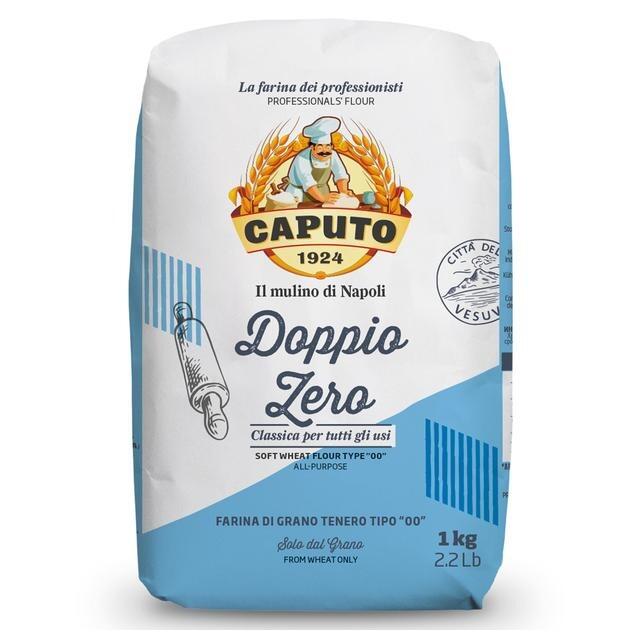
Caputo Doppio Zero-style flour
Use case: Core pizza dough, Italian baking and wider kitchen use where suitable
Product role: A familiar Italian flour route for buyers who want a clear pizza and baking category option
Trade description: Doppio zero flour can support pizza making, but the final result still depends on strength, dough schedule, hydration and oven heat. Buyers should not assume every 00 flour behaves the same.
CTA line: Compare the current 00 flour options against the pizza style and dough process.
Semola rimacinata support flour
Use case: Bench work, pasta prep, traditional baking support and selected dough routines
Product role: A support flour that can help the wider kitchen beyond the core pizza dough
Trade description: Semola should have a clear job before it enters the order. It can support pasta, baking, bench handling or specialist prep, but it should not crowd storage unless the kitchen uses it regularly.
CTA line: Add support flour only when the kitchen has a defined use for it. Browse the full Rice & Flour range to check current semola and 00 options.

A Di Maria & Son can support flour buying as part of a wider Italian foodservice basket where suitable. Product availability can change, so buyers should check the current range before building weekly orders around a specific line.
Flour choices for different kitchen setups
Different kitchen setups need different flour decisions because ovens, mixers, storage and service rhythm change dough performance. A flour that suits one pizzeria may not suit another site using the same recipe on paper.
High-heat pizza ovens
High-heat pizza ovens usually need flour that can bake quickly without burning too fast or drying out. The dough should handle fast expansion and give the crust enough lift.
A Neapolitan-style flour or specialist pizza flour can work well here when the dough process is controlled. The kitchen still needs to test hydration, ball size and fermentation timing.
Deck ovens and classic service
Deck ovens often suit balanced flour choices that give structure and steady colour. The dough may need more tolerance because bake times are usually longer than a very high-heat Neapolitan oven.
Classic pizzerias should test how the flour behaves with the actual sauce, cheese and toppings. The dough needs to hold up under the menu, not just during a plain bake.
Conveyor ovens and high-volume shops
Conveyor ovens need flour that supports repeatability. The dough should bake evenly, move through the oven cleanly and produce a result that stays consistent across many orders.
Handling speed matters in this setup. Flour that creates sticky, fragile or unpredictable dough can slow the line and increase waste.
Restaurants with smaller pizza sections
Restaurants with smaller pizza sections often need flour that works without adding too much complexity. The pizza menu may sit beside pasta, mains, starters and desserts, so staff routines need to stay manageable.
A consistent flour choice can help teams avoid daily dough variation. The right product should fit the menu without demanding a specialist dough operation that the kitchen cannot support.
What should go into a first serious flour order?
A first serious flour order should prove the core dough system before the buyer adds too many support products. Flour buying should start narrow, test properly and scale only when the kitchen has evidence.
The first order should usually include one core pizza flour. This is the product the kitchen tests on the main pizza menu, with the real dough process, sauce, cheese and toppings.
A second flour should only be added when it has a job. A stronger flour may support longer fermentation. A semola product may support bench work, pasta prep or a separate kitchen process. Extra flour lines should not enter the order simply because they look useful.
Trial quantity matters. A smaller test order can protect the business from committing too early. Larger or repeat volume should come after the flour performs across more than one prep cycle.
Storage should be checked before scaling. Flour bags need dry, clean, organised space away from moisture, damage and contamination. A bulk order is not a saving when the storage routine is weak.
Choose the main pizza flour for the menu style and test it properly.
Review mixing, fermentation, stretch, bake, staff feedback and customer response.
Bring in semola, stronger flour or wider baking flour only when the kitchen needs it.
Move to larger orders only when demand, storage and rotation are under control.
Flour and fermentation should be planned together
Flour and fermentation should be planned together because dough strength changes over time. A flour that feels firm after mixing may relax heavily after a long rest, especially when temperature control is weak.
Same-day dough usually needs predictable handling. The flour should hydrate well, relax enough for shaping and bake consistently without needing complex management.
Cold-fermented dough usually needs more planning. The flour must hold structure across fridge time, then return to a workable state before service. Poor timing can make dough tight, sticky or weak.
Room temperature changes affect every dough process. Summer heat, busy kitchens and inconsistent fridge space can make the same flour behave differently across the week.
Staff routines should be written around the chosen flour. Mixing time, rest time, balling, storage, tempering and opening should all match the product. A good flour can still fail when the process is unclear.
Hydration, absorption and handling affect service speed
Hydration affects dough feel, stretch, crust texture and bake quality. More water can create a lighter crust in the right process, but it can also create sticky dough, slower handling and more staff frustration.
Absorption varies between flour types. Some flour can take more water and still feel controlled. Other flour may become loose, sticky or weak at the same hydration.
Service speed should guide hydration decisions. A high-hydration dough may impress in a test, but it can slow the line when staff struggle to open and top it during a rush.
Handling confidence matters more than theory. The best hydration level is the one the team can repeat under service pressure while still producing the crust the menu promises.
Small adjustments should be tested carefully. Changing flour and hydration at the same time can make it hard to know what caused the improvement or problem.
Why supplier consistency matters with flour
Supplier consistency matters because flour changes can alter dough behaviour immediately. A different flour, delayed delivery or unavailable core line can affect prep, staff speed and finished pizza quality.
Flour is not an easy product to swap at short notice. A substitute may need different hydration, mixing time, fermentation or oven handling. Treating one pizza flour as the same as another creates risk.
Delivery timing also matters. Flour needs to be available before dough production starts, not halfway through the day when prep should already be moving.
Stock accuracy protects the whole week. Missing flour can disrupt dough schedules, while last-minute substitutes can force the team to adjust a recipe under pressure.
Communication should happen early when stock changes. A good supplier should explain availability, suggest relevant alternatives and give the buyer enough time to test or plan.
Flour sits at the base of the pizza menu. A pizzeria can sometimes change a topping line and manage the result. A flour change can affect every dough ball, every bake and every customer order. Treat flour supply as a core menu decision, not a commodity purchase.
Bulk buying flour can protect margin, but only with control
Bulk buying flour can protect margin when usage is predictable and storage is suitable. Larger orders only help when the kitchen can rotate stock properly, keep flour dry and avoid tying up cash in slow movement.
Flour storage should be checked before volume buying. Bags need dry, clean, organised space away from contamination, moisture and damage. A cheap bulk order is not cheap when storage creates waste.
Weekly usage should guide order size. A busy pizza shop with steady dough production may benefit from larger flour orders. A smaller restaurant with a limited pizza menu may need tighter quantities until demand becomes clear.
Cash flow matters too. Bulk buying can reduce unit cost, but it should not weaken flexibility or force the business to sit on stock that does not move.
Flour should be tested with the full pizza build
Flour should be tested with the full pizza build because dough performance changes when sauce, cheese, toppings and oven heat are involved. A plain base test can hide problems that appear during real service.
The busiest pizza should be part of the test. A simple margherita is useful, but a high-selling topped pizza often shows whether the dough has enough structure and bake quality.
Sauce and cheese affect the result. A wet tomato product or high-moisture mozzarella can make a good dough seem weaker than it is. The full build needs to be judged together.
Boxing should be tested for takeaway and delivery menus. The base, edge and centre should be checked after the pizza has sat in the box for a realistic time.
Staff feedback should be recorded. The team should comment on mixing, balling, storage, opening, topping, bake, waste and customer response before repeat orders begin.
A practical flour testing process for pizza shops
A practical flour test should run through the same steps the team will use every week. The aim is to prove the flour under real service conditions before it becomes the core line.
Decide whether the flour is being tested for Neapolitan-style pizza, classic pizza, delivery, tray pizza or wider dough work.
Use a planned hydration, mixing time, fermentation schedule and dough ball size. Keep the process stable during the test.
Ask the team to open the dough during normal prep. Record stretch, stickiness, tearing, spring-back and speed.
Use the actual tomato product, cheese and topping load. The dough should be judged as part of the real menu.
Review crust lift, base cook, chew, colour, slice hold, delivery performance and customer feedback.
Change hydration, fermentation or flour only one step at a time. Multiple changes make the result hard to read.
One good dough batch is not enough. The flour should perform across more than one prep cycle before the buyer builds weekly orders around it.
Common mistakes when buying wholesale pizza flour
Common flour buying mistakes usually come from choosing by brand, price or trend without checking kitchen fit. Flour needs to work in the buyer's oven, dough process and service routine.
The biggest mistakes include:
Brand familiarity can help, but it should not replace testing. A recognised Italian flour still has to fit the menu, oven and staff routine.
Price-only buying can create hidden cost. A cheaper flour may slow staff, create more waste, need more correction or give the customer a weaker pizza.
Trend-led buying can also create problems. A flour that works for one popular pizza style may not suit a delivery-led menu, a classic pizza shop or a small restaurant with limited dough skill.
What should pizzerias ask before choosing a flour supplier?
Pizzerias should ask direct questions before choosing a regular flour supplier. The answers should show whether the supplier understands pizza service, stock planning and repeat trade buying.
Useful questions include:
Clear answers matter. A flour supplier should help the buyer choose by pizza style, dough process and service pressure, not simply recommend the most popular bag.
A good substitution should be discussed with dough process in mind. A stronger flour, weaker flour or different flour format can change hydration, fermentation and handling.
Flour buying should connect with the wider pizza ingredient basket
Flour buying should connect with the wider pizza ingredient basket because the base does not work alone. Dough performance depends on tomato moisture, cheese type, topping load, oven setup and service format.
A strong flour can still be let down by poor sauce control. Wet tomato products can soften the base, while heavy cheese can slow the bake and change the eating experience.
A good mozzarella choice also matters. Cheese moisture, cut size and portioning can change how the dough bakes. Flour, tomato and cheese should be tested together before the menu is judged.
Salumi and toppings affect structure too. Heavier toppings need dough that can hold up without becoming dense or slow to bake. Lighter pizza styles need restraint.
A pizzeria buying flour may also need tomatoes, pizza sauces, mozzarella, salumi, dough balls, oils, boxes and pizza equipment. A supplier with wider Italian food and pizza relevance can reduce scattered ordering and support better repeat buying.
Why Ingredient Consistency Matters in a Busy Pizza Kitchen is closely linked to flour buying. Dough variation slows staff, changes customer experience and makes weekly service harder to control.
Final checklist before ordering wholesale pizza flour
Wholesale pizza flour buying should begin with the menu style. Buyers should know whether the flour needs to support Neapolitan-style pizza, classic round pizza, delivery, tray formats, focaccia or wider kitchen use.
Dough process should be agreed before repeat ordering starts. Hydration, mixing, fermentation, dough ball size, storage and tempering all affect how flour performs.
Oven setup should guide testing. High-heat ovens, deck ovens, conveyor ovens and smaller restaurant setups all place different demands on the dough.
Pack size should match usage and storage. Larger flour orders only make sense when movement is predictable and the kitchen can store bags safely.
Supplier reliability should be checked before the flour becomes the core line. Delivery days, order cut-offs, stock availability, substitutions and repeat ordering all matter.
Product testing should happen under real service conditions. Staff should mix, ball, store, open, top, bake and review the dough before the business commits to weekly volume.
Choose flour that fits the way your pizza kitchen works
Wholesale flour should make pizza service more consistent, not more complicated. The right flour should match the pizza style, oven heat, dough process, staff skill, storage setup and weekly order routine.
Share your pizza style, oven type, dough schedule, hydration target, weekly volume, storage space and delivery needs before ordering. A Di Maria & Son can help pizzerias, restaurants and trade buyers choose flour alongside tomatoes, mozzarella, dough balls, salumi, oils, pizza boxes and wider Italian foodservice essentials.
Start with one core flour line, prove it under real service conditions, then scale from evidence. The best wholesale flour choice is the one the team can handle confidently, bake consistently and reorder without weekly uncertainty.
Build your flour order with A Di Maria & Son
Family-run Italian food & wine wholesaler since 1975, supplying pizzerias, restaurants, delis and cafés with fast nationwide delivery.
Questions on pack sizes or substitutions? Email contact@adimaria.co.uk
FAQ
What flour is best for Neapolitan-style pizza?
Specialist Italian pizza flour is often best for Neapolitan-style pizza when it supports stretch, fermentation and high-heat baking. The exact choice should match the oven, hydration and dough schedule.
Is 00 flour always best for pizza?
00 flour is not always best for every pizza menu. It can work well for many Italian pizza styles, but classic, delivery or tray pizzas may need different strength, handling or absorption.
What flour works best for classic pizza menus?
Classic pizza menus often need a balanced pizza flour that gives structure, steady bake colour and reliable handling. The flour should be tested with the real sauce, cheese and toppings.
Should pizzerias buy flour in bulk?
Pizzerias should buy flour in bulk when weekly usage is predictable and storage is suitable. Bulk buying only protects margin when the flour moves properly and stays in good condition.
Why does changing flour affect pizza dough?
Changing flour affects pizza dough because strength, absorption and gluten behaviour can vary. Hydration, mixing, fermentation and handling may need adjustment after a flour change.
What should pizza shops ask a flour supplier?
Pizza shops should ask about flour suitability, pack sizes, fermentation fit, delivery days, order cut-offs, stock reliability, substitutions and whether flour can be ordered with wider pizza ingredients.
Ready to test your core flour line?
Tell us your pizza style, oven type, dough schedule and weekly volume, and we'll help you choose flour alongside the rest of your Italian foodservice basket.

