
Best Wholesale Italian Meats and Salumi for Delis, Restaurants and Pizzerias
Wholesale Italian meats and salumi help delis, restaurants and pizzerias build better counters, stronger menus and more confident customer choices. The best wholesale range does not need to be huge. It needs clear product roles, good stock rotation, useful pack formats and meats that work across antipasti, sandwiches, pizza toppings, pasta dishes and retail portions.
Trade buyers usually get better results from a focused salumi range that sells steadily than from a long product list that looks impressive but moves slowly.
What should wholesale Italian meat buyers stock first?
Wholesale Italian meat buyers should start with proven products that can work in more than one setting. Prosciutto, mortadella, salami, pancetta, speck and bresaola give most delis and restaurants a strong starting range.
A first order should not try to cover every regional speciality. A focused opening range helps the business test demand, train staff and understand movement before adding slower or more specialist products.
The service model should guide the first order. A deli counter needs display meats and slicing confidence. A restaurant needs dish roles. A pizzeria needs toppings that portion well and behave under heat.
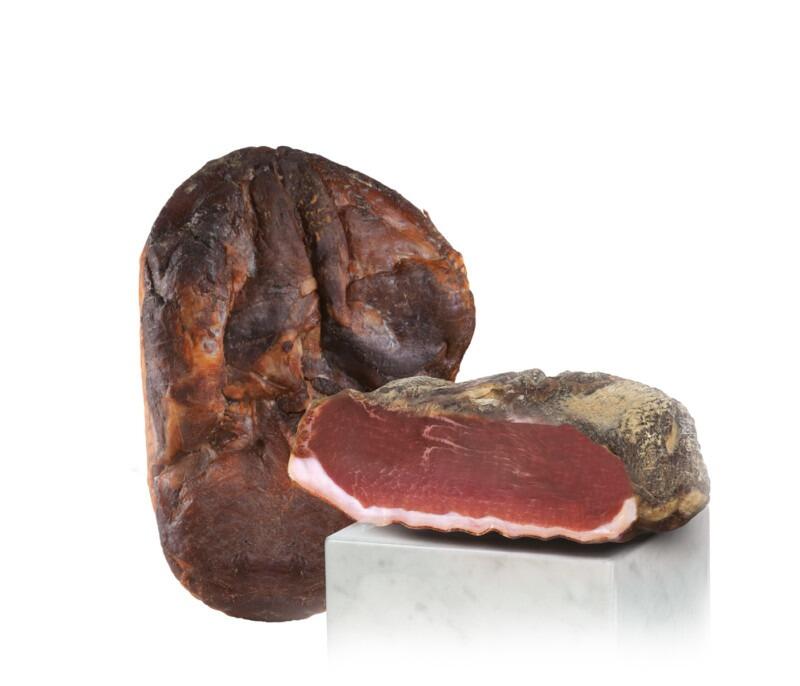
GICRUDO Prosciutto Crudo 6kg
The recognisable opening line for any serious salumi range. Ready to slice, folds well, looks premium and works across counters, boards, premium sandwiches and pizza finishing. The product customers understand quickly — and the one staff sell with the most confidence.
| Product | Best trade use | Why it earns space |
|---|---|---|
| Prosciutto | Counters, boards, premium sandwiches, pizza finishing | Recognisable, premium and easy to sell |
| Mortadella | Deli counters, sandwiches, panini, boards | Slices cleanly and feels generous |
| Salami | Counters, pizza, sandwiches, antipasti | Clear flavour and strong customer recognition |
| Pancetta | Pasta, sauces, pizza, kitchen prep | Practical cooked ingredient with many uses |
| Speck | Boards, sandwiches, warm dishes, specials | Adds smoke and depth without needing many extra lines |
| Bresaola | Premium boards, starters, lighter plates | Lean, distinctive and visually different |
Core Italian meats and their best trade roles
Core salumi should be chosen by role, not only by product name. A good meat range covers display, slicing, cooking, topping, filling and premium board use without creating unnecessary overlap.
Prosciutto is often one of the safest opening lines because customers recognise it quickly. It folds well, looks premium and works across boards, counter sales, sandwiches and pizza finishing.
Mortadella is often more commercially useful than new buyers expect. It slices neatly, looks generous and works well in focaccia, panini, boards and retail portions.
Salami gives a range more savoury depth. Most businesses do not need too many salami lines at the start. One mild option and one stronger or spicier option often gives enough customer choice.
Pancetta earns its place in kitchens rather than on display alone. It supports sauces, pasta dishes, soups, baked dishes, pizza specials and warm plates.
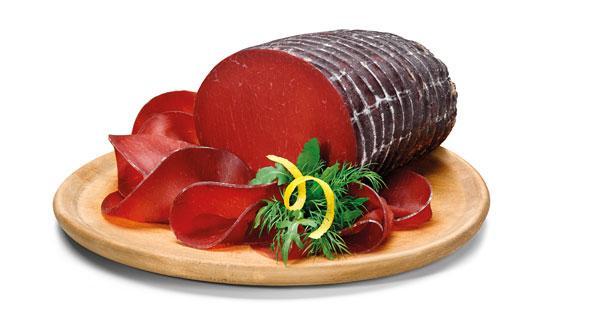
Speck and bresaola add premium contrast. Speck brings smoke and depth, while bresaola gives a leaner air-dried beef option for lighter starters and boards.
Which meats work best for delis, restaurants and pizzerias?
Different trade settings need different salumi choices. A deli, restaurant and pizzeria may buy from the same category, but the meat has to do a different job in each business.
A deli needs counter appeal and steady slicing movement. A restaurant needs menu flexibility. A pizzeria needs topping performance, portion control and reliable oven behaviour. Café and sandwich counters need meats that layer neatly, eat well cold or toasted and pair easily with bread, cheese and condiments.
Delis need counter appeal and steady movement
Delis should build salumi ranges around products that look good, slice cleanly and sell through several routes. Prosciutto, mortadella, salami, bresaola and speck can create a balanced counter without overloading the fridge.
Display quality matters because customers often buy what they can understand quickly. Staff should be able to describe flavour, texture, serving ideas and pairings without making the range feel intimidating.
Restaurants need products with clear dish roles
Restaurants should buy salumi around menu use. A meat should support starters, antipasti boards, pasta dishes, pizza specials, sandwiches, brunch plates or cooked preparations.
Pancetta is one of the most useful kitchen lines because it can support many dishes. Prosciutto, speck, bresaola and salami work well when the menu gives them clear roles rather than using them as vague premium extras.
Pizzerias need tighter topping ranges
Pizzerias usually need fewer meat lines than delis. A spicy salami, a milder salami, pancetta or nduja, and a premium finishing ham may be enough for many menus.
Heat performance should guide the choice. Salami and pancetta can usually handle oven heat more easily than delicate prosciutto. Nduja needs controlled portions because it brings heat, richness and oil quickly.
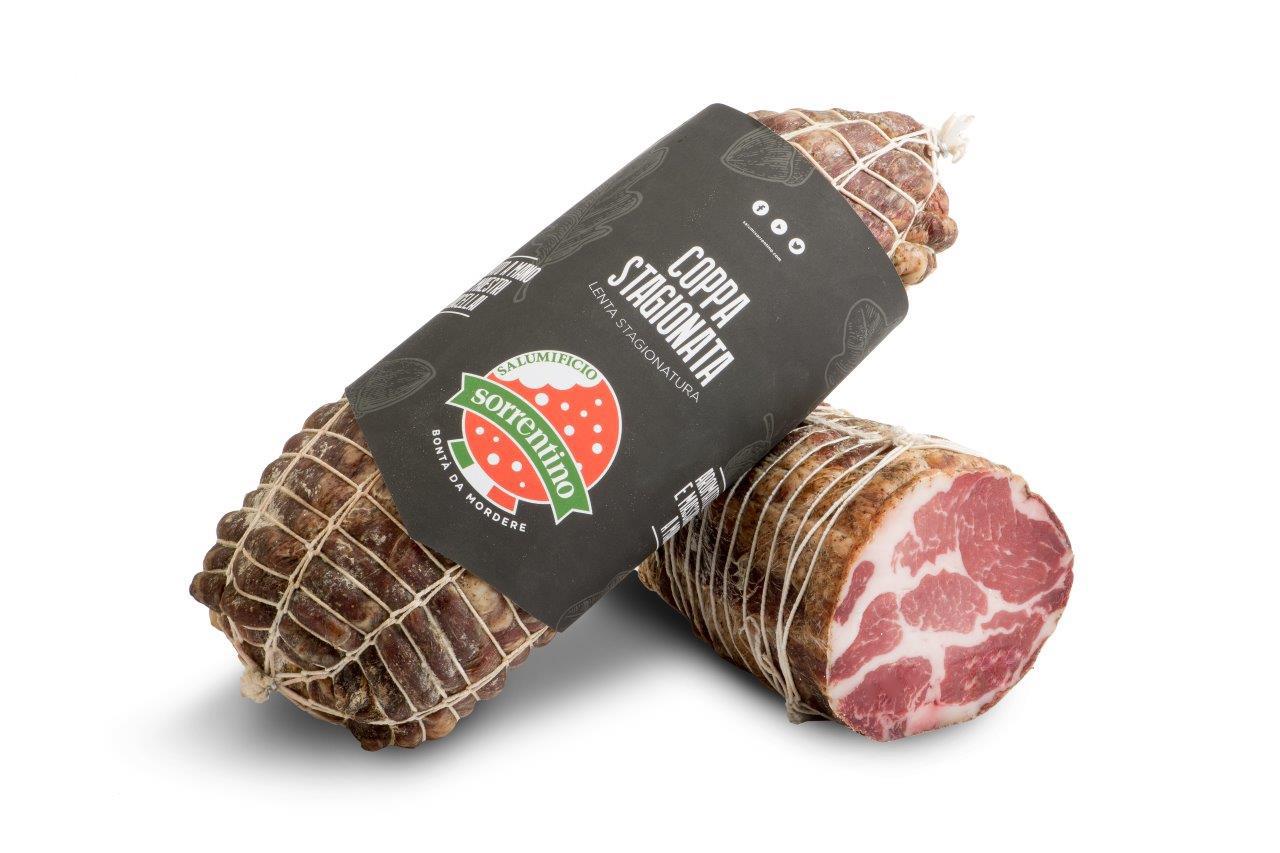
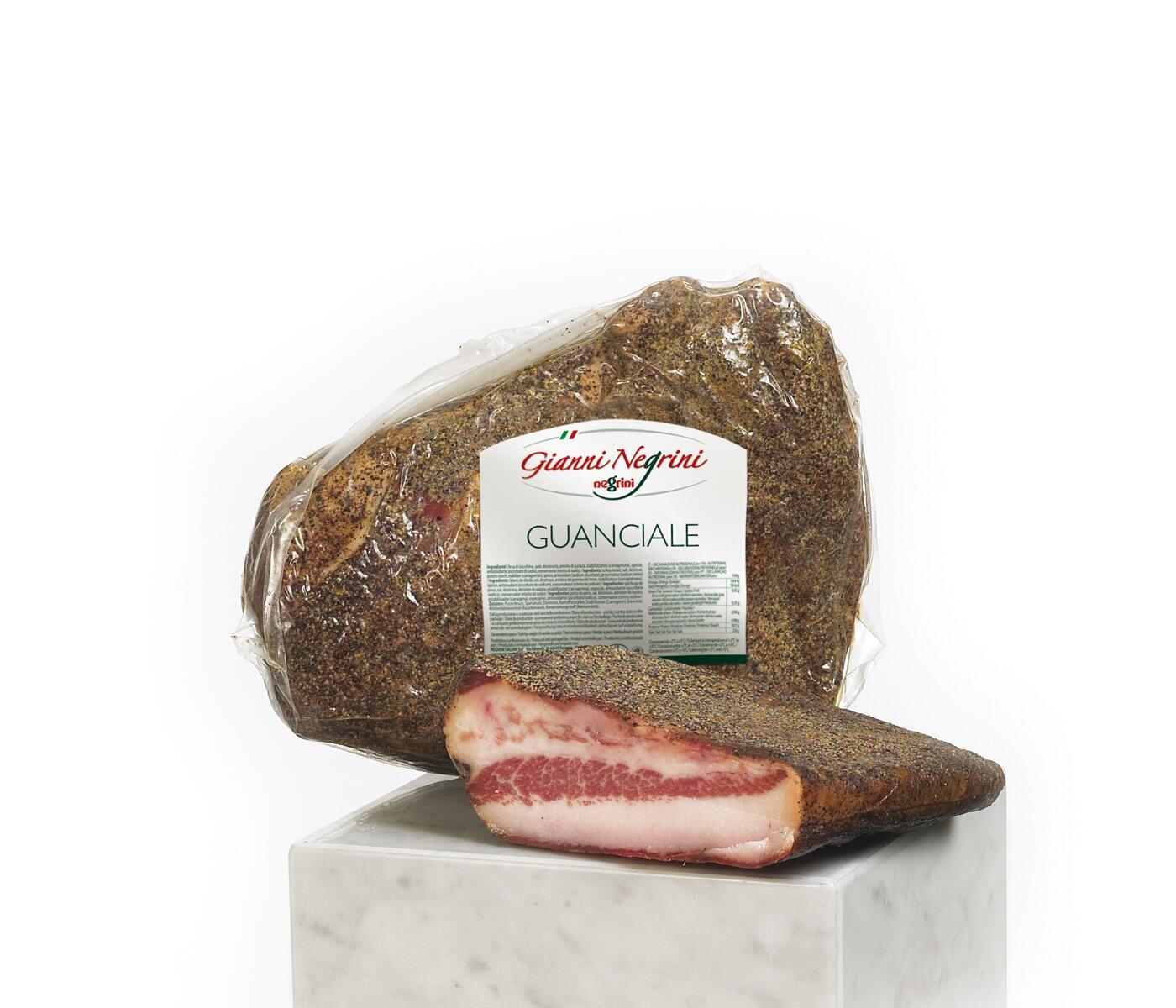
Three premium lines beyond the basics
Antipasti, sandwiches and pizza all use salumi differently
Salumi performs differently depending on the format. Pizza needs flavour under heat, antipasti needs visual contrast, and sandwiches need slice structure and balanced eating.
A product can work across several uses, but the cut, portion and pairing should change. Prosciutto on a board is not the same as prosciutto in a sandwich or on a pizza after baking.
Antipasti boards usually work best with contrast. Prosciutto, salami, mortadella, bresaola and speck can create different textures, colours and flavour levels. Three well-chosen meats often work better than six similar ones.
Sandwiches and panini need meats that layer well. Mortadella, salami, prosciutto and speck all work strongly when paired with the right cheese, bread, condiments and vegetables.
Pizza toppings need controlled flavour and cost. A salami line that works beautifully cold may not be the best oven product, while a spicy salami or nduja may perform better in smaller, clearer portions.
Slicing, pack size and storage protect margin
Slicing, pack size and storage can decide whether a salumi range makes money. Flavour matters, but opened stock, poor slicing and weak portion control can quietly damage profit.
Whole pieces can work well for skilled delis with steady counter demand. They support display, slicing theatre and flexible portions. They also need trained staff, good equipment and clear stock rotation.
Pre-sliced formats can suit speed-led kitchens. They help with portion consistency and service pace, especially for pizza, sandwiches and quick boards. Opened packs still need careful use, so demand should guide the format.
Pack size should match movement. A large piece may look cheaper per kilo, but it can cost more if the business cannot sell it quickly enough. Smaller formats may protect margin on slower or premium lines.
Storage discipline matters every week. Date labelling, clean refrigeration, first-in-first-out use and realistic order levels protect quality and reduce waste.
Why does authentic Italian salumi matter to trade buyers?
Authentic Italian salumi matters because customers and trade buyers both look for credibility. A deli counter or menu feels more confident when the range includes recognisable products with clear Italian identity.
Prosciutto, mortadella, salami, pancetta, speck and bresaola all carry meaning when presented properly. These products help staff explain dishes and help customers understand the offer.
Authenticity should still be practical. A product that sounds specialist but does not slice well, sell well or fit the menu can become a problem. Trade buyers need Italian meats that taste right, behave properly and earn their space.
A Di Maria & Son supports that wider category thinking. Salumi sits naturally beside Italian cheeses, olive oils and cooking oils, dry pasta, tomatoes and pizza sauces, pantry products and drinks, which helps delis and restaurants build a more complete offer.
Staff knowledge and pairing ideas turn stock into sales
Staff knowledge helps turn salumi from fridge stock into real sales. Counter teams and service staff need simple language around flavour, texture, serving ideas and pairings.
Customers often avoid products they do not understand. Clear recommendations help them buy with confidence. Mortadella with focaccia, bresaola with rocket and hard cheese, prosciutto with mozzarella, and salami with olives and bread are simple selling routes.
Pairing ideas can also increase basket value. A customer buying cured meat may also need cheese, olives, bread, oil, tomatoes, pasta or drinks. A deli or restaurant that connects those products well can build better orders without forcing upsells.
Supplier support can help staff sell with more confidence. Product information, range advice and serving guidance make salumi easier to explain, especially when staff are learning the difference between everyday lines and premium options.
Four pairings staff can recommend without thinking
How should each trade buyer build a salumi range?
Each trade buyer should build a salumi range around how the business sells food. Delis, restaurants and pizzerias need different range shapes, even when they buy similar products.
A range should start narrow, prove movement and then grow with evidence. Slow products should not stay in the fridge simply because they feel authentic or interesting.
Deli range structure
A deli range should begin with regular sellers and clear customer choice. Prosciutto, mortadella, one mild salami, one stronger salami, bresaola and speck can create a strong opening structure.
Weekly review is important. Delis should check what moves, what needs staff support and what does not earn its space.
Restaurant range structure
A restaurant range should be built around dish roles. Pancetta may support kitchen prep, prosciutto may support starters, salami may support boards or pizza, and bresaola or speck may support premium plates.
Specials are useful for testing. A new meat can be trialled through a weekend pizza, antipasti dish or sandwich before becoming regular stock.
Pizzeria range structure
A pizzeria range should stay tight. Spicy salami, a milder salami, pancetta or nduja, and a premium finishing ham can cover many menus without creating clutter.
Portion control is central. Meat toppings are often high-cost items, and small overuse across many pizzas can reduce margin quickly.
From opening order to confident weekly buying
Start narrow
Open with six proven lines. Prove they move before adding anything else to the fridge.
Prove movement
Review weekly: what sold, what needed support, what stayed in the fridge.
Expand from evidence
Only add new lines when current stock is performing. Trial via specials before committing.
Common mistakes when buying wholesale Italian meats
Common salumi buying mistakes usually come from range excitement rather than range planning. A long list of meats can look specialist, but every line needs a clear reason to be there.
Over-ranging is the biggest risk. Too many similar salami lines, too many premium hams or too many slow board meats can create waste and confuse staff.
Duplicate flavour profiles also weaken the range. A better structure might include one mild salami, one stronger salami, one premium ham, one cooked line and one leaner premium option.
Ignoring slicing capacity is another common mistake. Whole products may offer value, but they need equipment and skill. A business without slicer confidence may be better served by tighter formats at the start.
Buying for display instead of sales can also hurt margin. A product that looks beautiful but does not move is still a cost.
| Mistake | Why it causes problems | Better approach |
|---|---|---|
| Buying too many lines too soon | Creates waste and staff confusion | Start focused and expand from movement |
| Duplicating similar salami styles | Makes choice harder without adding value | Choose clear flavour contrast |
| Ignoring slicing skill | Poor slices reduce appearance and yield | Match format to team capability |
| Choosing only by price per kilo | Larger formats may waste more | Match pack size to demand |
| Adding niche lines without menu roles | Products sit unused | Give every meat a counter or dish role |
What should go into a first serious salumi order?
A first serious salumi order should focus on products with proven uses. Buyers should build enough range for counters, boards, sandwiches and kitchen dishes without creating fridge pressure.
For many delis and restaurants, a practical starting point could include:
Pizza-led businesses may need a narrower order. A spicy salami, pancetta or nduja, and a premium finishing ham may be enough at the start.
Deli-led businesses may need more counter variety. Staff training matters here because customers often buy what staff can explain confidently.
Restaurant-led businesses should buy around dish roles. Products used across several dishes deserve deeper stock than products used only on one special.
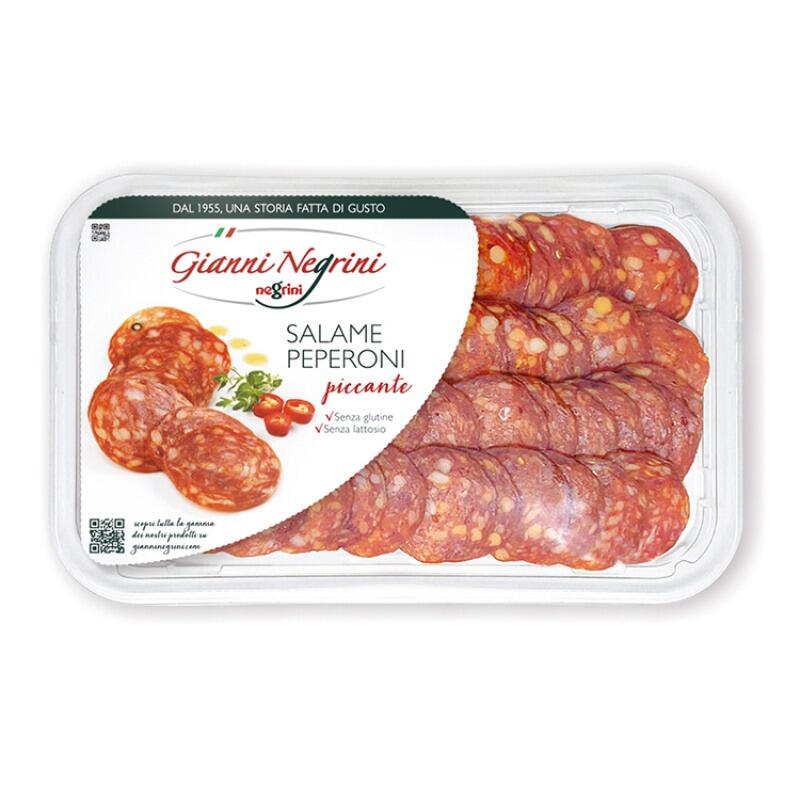
Sliced Pepperoni Piccante 500g
For pizzerias and speed-led kitchens. Pre-sliced format takes labour out of pizza prep and standardises portion size — exactly the kind of stronger or spicier salami the first-order list calls for, in the format that protects margin.
Reviewing salumi stock should be a regular habit
Salumi stock should be reviewed weekly for movement, waste and opened-pack condition. A deeper review should happen every month or whenever the menu changes.
Opened stock needs close attention. Products that have been sliced, opened or moved into counter service should be checked for quality and rotation.
Menu movement should guide reordering. A product used across several dishes deserves different treatment from a product used only on one special.
Supplier conversations can support review. A good supplier can suggest alternative formats, different pack sizes or better-selling lines when a product is not moving as expected.
Build the salumi range around movement, not variety
The best wholesale Italian meat range is not the widest range. The best range is the one customers keep buying, staff can explain and the business can rotate safely.
Delis, restaurants and pizzerias should start with clear product roles, sensible pack formats, good slicing control and regular stock reviews. Prosciutto, mortadella, salami, pancetta, speck and bresaola give many trade buyers a strong foundation.
Share your business type, menu style, storage capacity, slicing setup and expected weekly usage before ordering, and A Di Maria & Son can help build a salumi range around real service needs.
FAQ
What are the best Italian meats for delis?
The best Italian meats for delis usually include prosciutto, mortadella, salami, speck and bresaola. These products give a counter good variety without making the range too wide.
Which Italian meats work best for restaurants?
Restaurants often benefit from prosciutto, pancetta, speck, bresaola and selected salami lines. The best choice depends on whether the meat supports starters, pasta, sandwiches, pizza or specials.
What salumi works best for pizzerias?
Pizzerias usually benefit from salami, spicy salami, nduja, pancetta and carefully used prosciutto. Heat performance and portion control should guide the choice.
Is whole or pre-sliced salumi better for trade buyers?
Whole salumi can suit delis with slicers and trained staff. Pre-sliced formats can suit kitchens that need speed, consistency and simpler portion control.
How can delis reduce salumi waste?
Delis can reduce waste by starting with a focused range, reviewing movement weekly, rotating opened stock carefully and giving staff clear product knowledge.
Why does pack size matter with Italian meats?
Pack size matters because a larger format can still become expensive if the product does not sell quickly. The right pack size should match demand, labour and storage capacity.
Related reading
Best Wholesale Italian Cheeses for Pizzerias and Restaurants
Salumi performs better next to the right cheese. Compare what melts properly, slices cleanly and stores well for trade buyers.
Read the cheese-by-format guide →What to Stock for Counters, Menus, and Better Trade Sales
Broader stocking principles that sit one layer above salumi-specific buying. How to think about counter and menu stock together.
Read the counter and menu guide →Build a salumi range that earns its space
Share your business type, menu style, storage capacity, slicing setup and expected weekly usage — A Di Maria & Son will help build a salumi range around real service needs, not category excitement.

