
Best Wholesale Italian Cheeses for Pizzerias and Restaurants: What Sells Well, Melts Properly, and Stores Better
The best wholesale Italian cheeses for a trade kitchen are the ones that balance melt, flavour, shelf life and menu flexibility, not the ones with the biggest name. Mozzarella leads pizza volume, hard cheeses like Grana Padano, Parmigiano and Pecorino cover pasta and finishing, and a small set of premium cheeses such as burrata, gorgonzola and taleggio add value in tighter rotation. The right choice starts with how your kitchen actually works, and with how each cheese melts, stretches and stores.
For pizza, melt and moisture matter as much as flavour, because the cheese shapes the bake, the look and the margin. The pattern most kitchens land on is one or two core cheeses bought in volume, with premium lines kept in small, deliberate rotation.
Key takeaways
Which Italian cheeses sell best in pizzerias and restaurants?
Mozzarella leads the category by a wide margin, because it appears on the most tickets and shapes the finished pizza before the first bite. It comes in several trade formats: fior di latte blocks and cubes for even coverage, mozzarella balls for a fresh look, and shredded for speed. Hard grating cheeses come next, working across pasta, risotto, soups and finishing. Premium and soft cheeses such as burrata, ricotta, gorgonzola and taleggio sell in lower volume at higher value, and they earn their place when the menu gives them a clear role rather than a spot on the fridge shelf.
The strongest cheese buying starts with how the kitchen works, not with a supplier's product list. Map each cheese to a dish and a job, and you can decide which lines deserve everyday volume, which suit premium dishes, and which should stay in tight rotation. For the full range and pack sizes, our guide to Wholesale Italian Cheese for Restaurants and Pizzerias covers the whole cheese line in detail.


How do melt, stretch and browning affect what sells?
Melt decides whether a cheese helps or hinders pizza service. A cheese that softens evenly, settles without flooding the base and colours cleanly will sell over time, because the kitchen can trust it under pressure. Stretch matters where guests expect a classic pizza pull, and the best pizza cheeses hit a middle ground rather than chasing one feature. Dramatic stretch with weak colour, or good browning with a dry eat, both let a pizza down.
Browning shapes the first impression, since a guest decides whether a pizza looks right in seconds. A cheese that colours too fast reads as greasy or overdone, while one that resists colour looks pale and unfinished. Oil release and moisture are the other half of the picture: too much water soaks the base, and too much fat pools on top. Oven style changes how the same cheese behaves, so judge any new line under real service, with your dough and your ticket pressure, before you commit volume to it.
Fresh or lower-moisture mozzarella: which should you use?
Fresh mozzarella suits a softer eat and premium presentation, while lower-moisture and shredded mozzarella suit speed and high-output service. Fior di latte and buffalo bring a cleaner dairy flavour and a natural look for premium Margheritas, chef-led pizzas and plated starters, but they carry more water, so they need draining, careful topping weights and good oven control. Lower-moisture mozzarella portions more easily, releases less water and colours more predictably, which is why takeaway-heavy and fast casual kitchens rely on it.
Shredded mozzarella takes that further by cutting prep time, and a 2kg bag of shredded mozzarella is an easy way to hold a consistent, high-volume line. Most kitchens end up blending the two: a lower-moisture or shredded workhorse on the core menu, with fresh mozzarella brought in only where a signature dish needs it. For the fresh side of that decision, moisture, melt and cost per pizza, see our guide to Fior di Latte vs Buffalo Mozzarella.
Which hard Italian cheeses sell best for pasta and finishing?
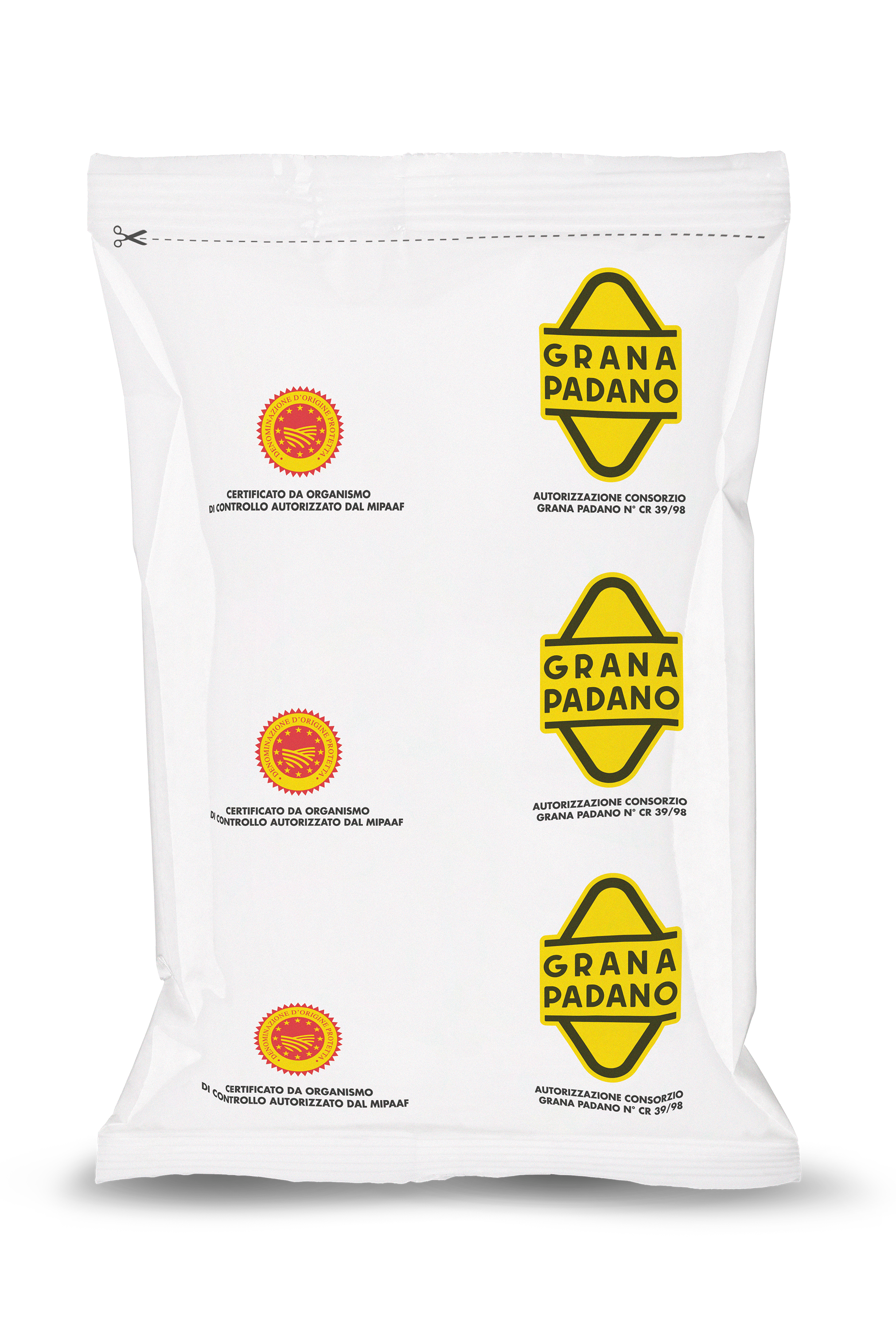
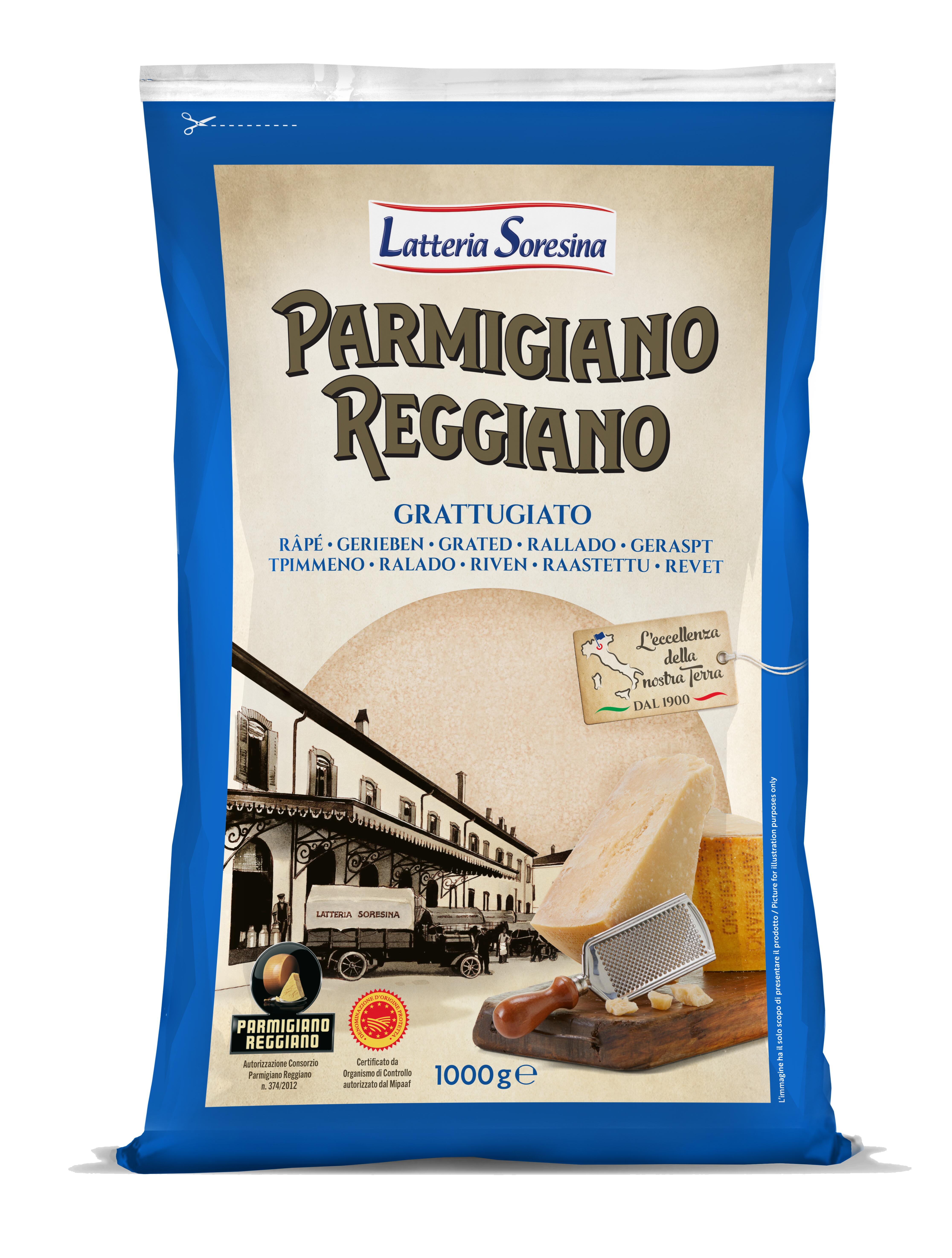
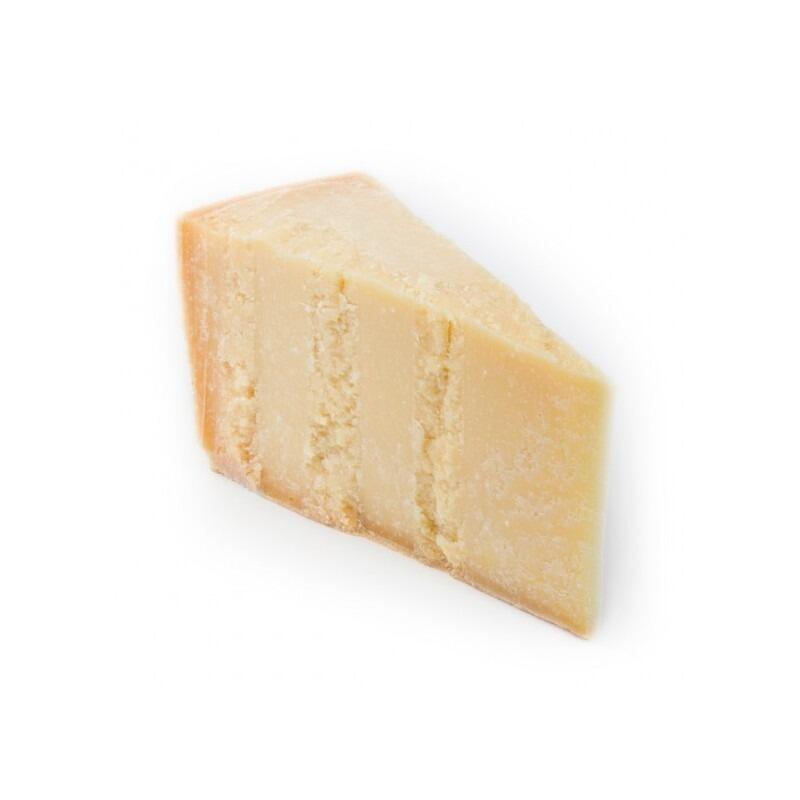
Parmigiano Reggiano, Grana Padano and Pecorino Romano cover most pasta and finishing work. Parmigiano leads on prestige and cross-use, working across pasta, risotto, soups and baked dishes, which keeps it moving even at a higher cost. Grana Padano sits alongside it at a softer entry price and a slightly milder profile, which makes it a sensible everyday grating cheese. Pecorino Romano is sharper and saltier, at its best in cacio e pepe, amatriciana and carbonara, where a small amount changes the plate.
One point for vegetarian menus: traditional Parmigiano, Grana Padano and Pecorino are made with animal rennet, so they are not vegetarian. A vegetarian hard cheese is the answer where a dish needs one.
Which soft and premium Italian cheeses are worth stocking?
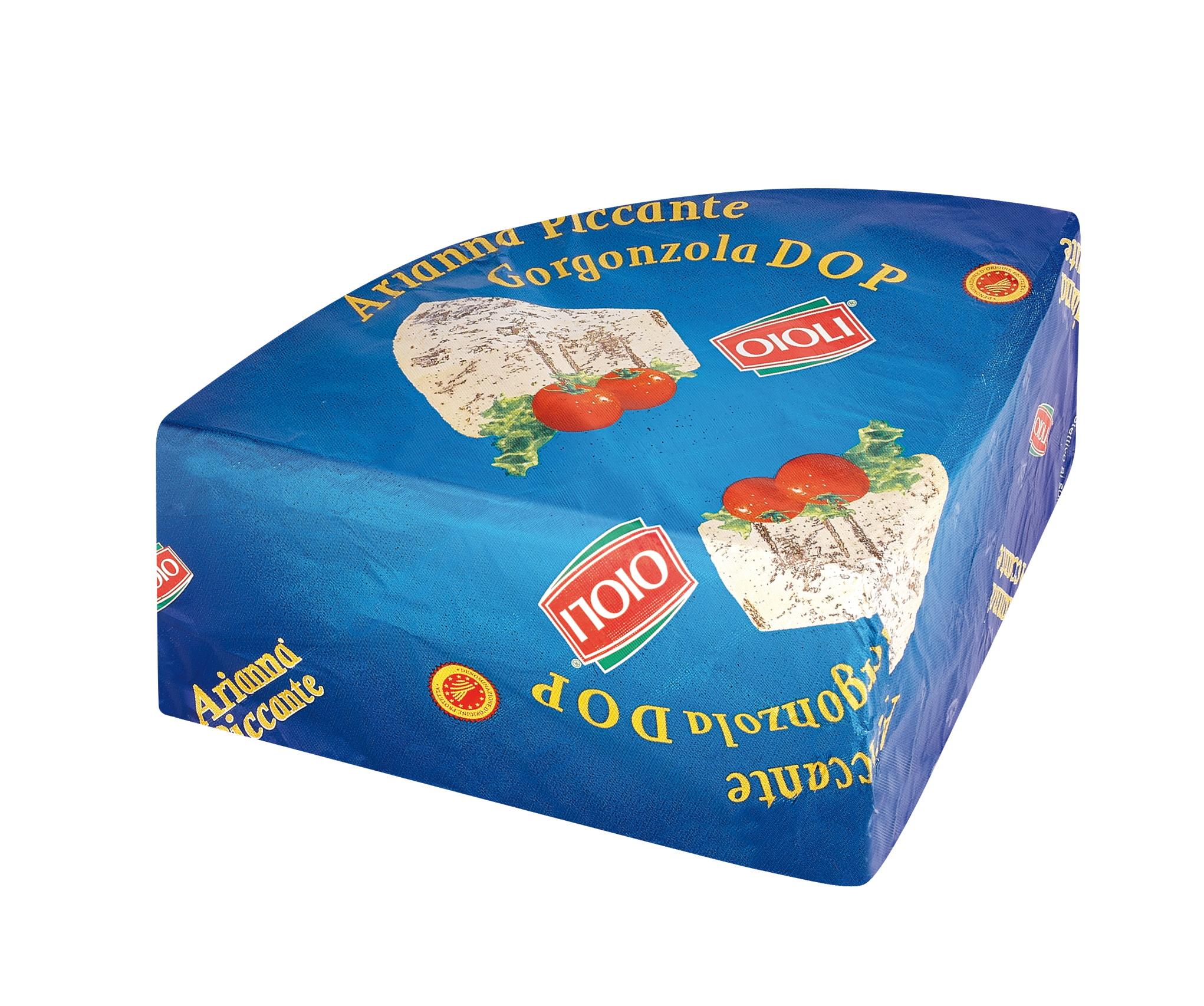
Ricotta is one of the safest soft cheeses to stock, working across pasta fillings, baked dishes, whipped starters and desserts. Burrata is the strongest premium line when the menu supports it, recognised instantly as a quality signal on starters, simple tomato dishes and premium pizzas, though its short shelf life punishes over-ordering. Gorgonzola brings blue-cheese identity to sauces, gnocchi and pizza specials with only a small amount. Taleggio, scamorza and provolone work best tied to specific dishes rather than as everyday volume. The common thread is that premium cheese pays back only with a clear menu role and tight forecasting.

Why do shelf life and storage matter so much?
Cheese moves from asset to waste faster than most dry stock, so shelf life and storage decide whether it makes margin. Fresh cheeses carry the highest pressure: burrata, buffalo mozzarella and fresh ricotta need fast movement, tight ordering and dependable delivery. Harder cheeses give more room, storing longer and portioning over time, which makes them useful anchors in a mixed kitchen.
Storage discipline turns good buying into profit. Wrap cut faces so they do not dry, label and rotate first in, first out, and plan the fridge realistically against your chilled space. Even the right cheese loses money if it is mishandled after the pack is opened, so treat cheese as controlled stock with a service cost attached, not casual stock.
What buying patterns do busy kitchens follow?
Most busy kitchens buy one core cheese in dependable volume and support it with one or two secondary lines. In a pizzeria that core is mozzarella, bought to arrive regularly and perform predictably, and it takes the biggest share of the cheese spend. Hard cheeses, pecorino, ricotta and blue cheese move in tighter quantities for specials and finishing. Weekend peaks push the core volume up, so build a little extra protection into the main line without filling the fridge with slow products.
Mixed-service restaurants buy around menu overlap, favouring cheeses that work across pizza, pasta, starters and boards, since a multi-use cheese beats a premium line used on one special. Pack format matters as much as the cheese here, because sliced, grated, block and pre-drained formats behave differently in prep and storage. A slightly dearer format can be the better buy when it saves labour and cuts waste.
How can a kitchen make cheese more profitable without lowering quality?
Portion control is the fastest win, because cheese sits high in both cost and visual impact, so weighing and clear training pay back almost at once. Menu engineering does as much as case-price negotiation, since the same cheese returns very differently depending on where it is used. A properly priced burrata plate works, while a casual burrata add-on across low-value dishes quietly erodes the whole category. Format helps too, as a pre-prepared line can be cheaper in practice once you count labour and waste.
Your cheese buying checklist
✓Core cheese chosen for melt, moisture and consistency, bought in volume.
✓Fresh mozzarella for premium dishes, lower-moisture or shredded for speed.
✓Hard cheeses matched to pasta and finishing, with a vegetarian option if the menu needs one.
✓Premium and soft cheeses kept in tight, deliberate rotation.
✓New cheeses tested under real service before you move volume onto them.
✓Storage discipline: wrap, label, rotate first in, first out.
✓Portioning and menu pricing set to protect margin.
Related reading
Open an Italian food trade account with A Di Maria & Son
Family-run Italian food & wine wholesaler since 1975, supplying pizzerias, Italian restaurants and delis with fast nationwide delivery. We hold the fresh, hard and premium Italian cheeses a trade kitchen reorders week to week, in the formats that suit real service, from fior di latte and shredded mozzarella to Grana Padano, Pecorino and burrata. You can see the full range on Wholesale Italian Cheeses.
Apply for a trade account to set your pricing and pack sizes for repeat ordering. Call 02476 680 514 or email contact@adimaria.co.uk with your menu, covers and storage, and we will help you build a cheese order that sells well and wastes little.
FAQs
What is the best cheese for pizza?
Mozzarella. Fresh fior di latte gives a softer, premium result, while lower-moisture and shredded mozzarella give speed, consistent colour and easier portioning for high-output service.
What is the difference between fresh and lower-moisture mozzarella?
Moisture and how they perform. Fresh mozzarella has more water, a softer eat and a premium look, but needs draining and oven control. Lower-moisture mozzarella portions easily, releases less water and colours predictably.
Which cheese melts and stretches best on pizza?
Mozzarella, thanks to its stretched-curd structure. The best pizza cheeses balance melt, stretch and browning rather than chasing one feature, and lower-moisture lines hold up best under fast service.
How do you store Italian cheese to avoid waste?
Wrap cut faces, label and rotate first in, first out, and buy each cheese to a turnover you can hit. Fresh cheeses need the tightest ordering, while hard cheeses store longer.
Which hard cheese is best for pasta?
Parmigiano Reggiano and Grana Padano for everyday grating and finishing, and Pecorino Romano for sharper Roman dishes like cacio e pepe, amatriciana and carbonara.

