
What Is Provolone Cheese? A Guide to This Bold Italian Classic
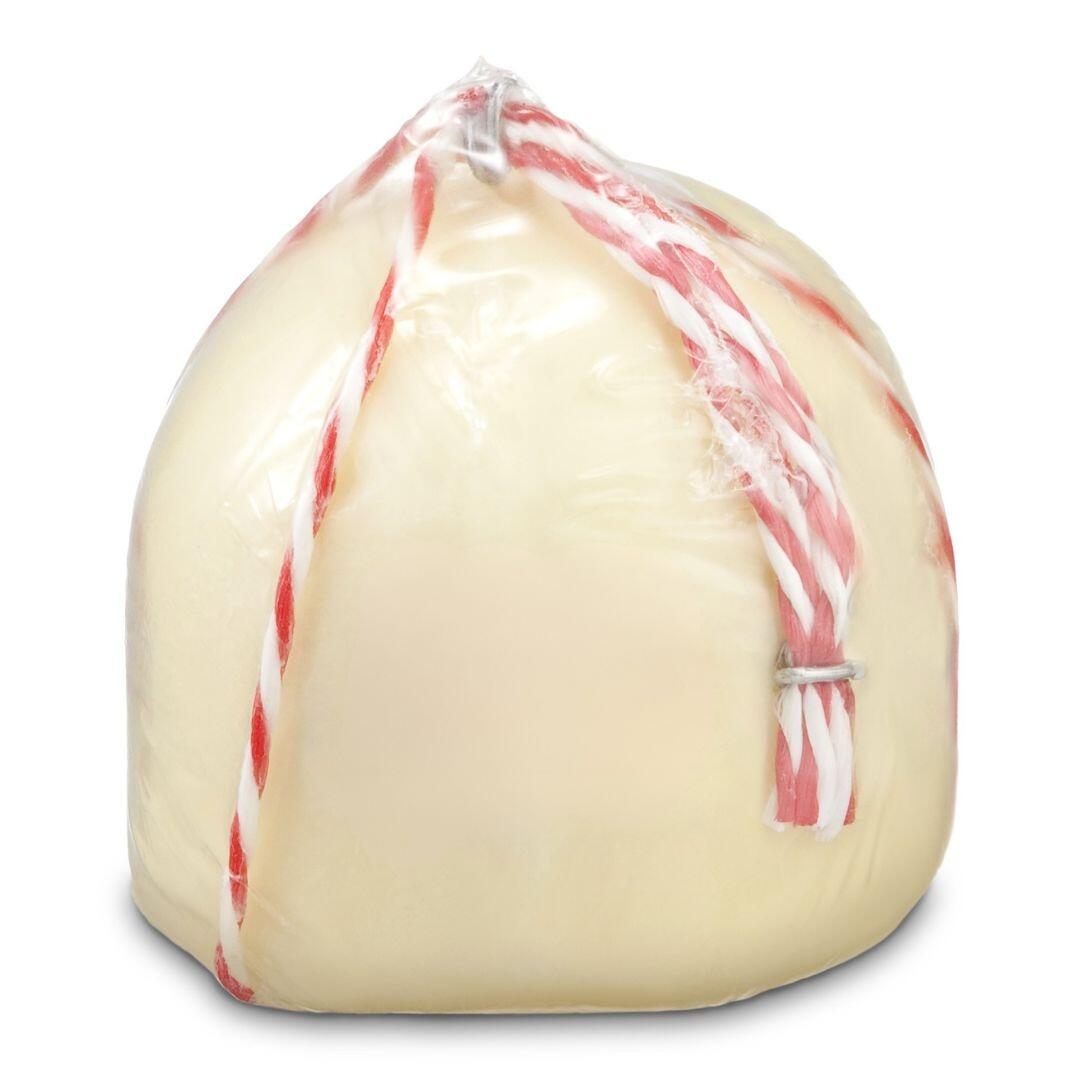
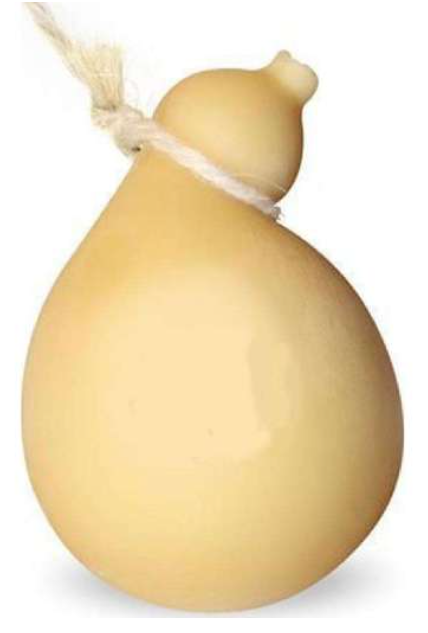
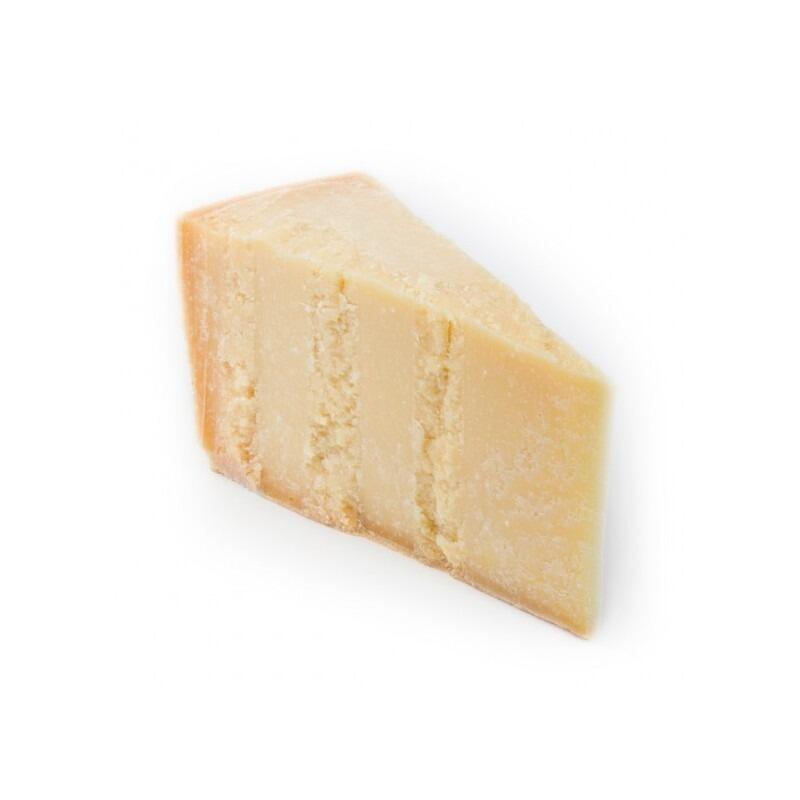
Provolone is a semi-hard, stretched-curd cheese made from cow's milk, and it comes in two styles: dolce, which is mild and creamy, and piccante, which is sharp and tangy. It is made by the pasta filata method, the same stretched-curd technique used for mozzarella, so it slices, grates and melts well. Dolce suits everyday melting and sandwiches, while piccante brings a punchy, savoury edge to boards and cooked dishes.
For a kitchen, provolone is a versatile semi-hard line that melts cleanly and holds its own on a counter. Buyers pick dolce or piccante by the dish, and order the 500g wedge or a larger format by how fast they get through it.
Quick overview: provolone at a glance
What is provolone cheese?
Provolone is a traditional stretched-curd cheese made from cow's milk using the pasta filata method, the same technique used for mozzarella. Stretching the curd gives the cheese a firm but elastic texture that slices, grates and melts well. After shaping, the cheese is brined, aged, and sometimes smoked, and the ageing is what sets the two styles apart. Provolone began in southern Italy and is now made mainly in the Po Valley in the north, where Provolone Valpadana carries DOP status.
Provolone piccante vs dolce: what is the difference?
The difference between provolone piccante and dolce comes down to ageing and rennet. Dolce is aged for around 2 to 3 months and made with calf rennet, which gives a mild, creamy, slightly sweet cheese. Piccante is aged for 4 months or much longer and traditionally made with kid goat rennet, which gives it a sharper, tangier, more piquant flavour. Both are the same stretched-curd cheese at heart, so the choice is really about how bold you want it on the plate. The table below sets them side by side.
Neither style is vegetarian, since both use animal rennet. If a dish needs a vegetarian option, a vegetarian-rennet cheese is the answer.
How does provolone melt?
Provolone melts well, because the stretched-curd structure that gives mozzarella its pull does the same for provolone. It softens smoothly and stretches, which is why it works on pizza, in toasties and in baked dishes. Dolce melts the more smoothly of the two, with a milder flavour that supports a dish rather than dominating it. Piccante melts too, but keeps its sharp, tangy edge, so a little carries a baked pasta or a punchy panini. As piccante ages and firms, it also grates well, which makes it a useful alternative to Parmesan over roasted vegetables or risotto.
How to use provolone in cooking
Provolone works sliced cold or melted into hot dishes, and its firm texture makes it easy to grate or cube. Because piccante is bold, a little goes a long way. Some simple ways to use it:
Charcuterie boards. Pairs with cured meats like salami, prosciutto or 'nduja.
Grilled sandwiches and panini. For a cheese pull with real flavour.
Baked pasta and lasagne. Melts smoothly and adds depth.
Grated over roasted vegetables or risotto. A good alternative to Parmesan, especially the aged piccante.
Folded into frittata or savoury pies. Adds richness and a savoury, salty note.
Reach for dolce where you want a clean, mild melt, and piccante where the dish needs a sharper, more assertive cheese.
What trade pack sizes does provolone come in?
Provolone comes in a 500g wedge for everyday use and larger formats for high-volume kitchens. The Provolone Piccante 500g wedge suits a deli counter, a café or a smaller kitchen, opening fresh and storing easily. A larger piece, up to several kilos, brings down the cost per kilo for a busy kitchen that gets through it on pizza, in baked dishes or grated. As a semi-hard cheese, provolone keeps longer than fresh mozzarella, but the cut face still dries, so wrap it well, keep it chilled and buy the format your kitchen finishes in good condition.
FAQs
What is provolone cheese made from?
Provolone is made from cow's milk using the pasta filata, or stretched-curd, method, the same technique used for mozzarella. It is then brined, aged and sometimes smoked.
What is the difference between provolone piccante and dolce?
Ageing and rennet. Dolce is aged 2 to 3 months with calf rennet for a mild, creamy taste. Piccante is aged 4 months or more with kid goat rennet for a sharper, tangier flavour.
Does provolone melt well?
Yes. The stretched-curd structure means provolone melts and stretches like mozzarella. Dolce melts the more smoothly, while piccante melts with a sharper flavour.
Is provolone vegetarian?
No. Both dolce and piccante are made with animal rennet, so neither is suitable for vegetarians. Use a vegetarian-rennet cheese where a dish needs one.
What can I use instead of provolone?
For a mild melt, mozzarella is the closest swap. For the sharper piccante, an aged, tangy cheese or Parmesan works where you want grating and bite.
What pack size does provolone come in?
Most buyers order the 500g Piccante wedge for everyday use, with larger formats available for high-volume kitchens that want a lower cost per kilo.
Related reading
Shop provolone from A Di Maria & Son
Family-run Italian food & wine wholesaler since 1975, supplying pizzerias, Italian restaurants and delis with fast nationwide delivery. We stock Provolone Piccante 500g wedges imported directly from Italy, ideal for professional kitchens and home cooks, with larger formats for high-volume use. You can see the full range on Wholesale Italian Cheeses, and our Wholesale Italian Cheese for Restaurants and Pizzerias guide covers pack sizes and reorder logic across the cheese line.
Apply for a trade account to set your pricing and pack sizes for repeat ordering. Call 02476 680 514 or email contact@adimaria.co.uk with how you use provolone and how much you get through, and we will help you pick the style and format that suit your menu.

