
Bulk Italian Ingredients Every Pizzeria Should Keep in Stock
Pizzerias need to buy the ingredients they use most often in bulk, especially flour, tomatoes, mozzarella, cooking oils, packaging, and core toppings that support daily service. Bulk buying works best when it focuses on high-use products with stable demand, sensible shelf life, and a clear place in the kitchen workflow. The aim is not to buy everything in large quantities. The aim is to secure the essential stock that protects margin, keeps service moving, and helps the menu stay consistent from one shift to the next.
Key takeaways
Pizzerias should buy their highest-use and most predictable ingredients in bulk.
Flour, tomato products, mozzarella, oils, dry goods, and packaging are usually the first categories to scale up.
Bulk buying should match menu volume, storage space, and shelf life.
Chilled and fresh items need tighter stock control than ambient products.
Overbuying creates waste, cashflow pressure, and quality problems.
A strong supplier should help pizzerias choose the right pack sizes and delivery pattern.
A Di Maria & Sons supports trade customers who need dependable wholesale supply for Italian foodservice.
Why pizzerias buy wholesale from specialist suppliers
A Di Maria & Sons supplies trade customers who need practical buying support, reliable product access, and Italian ingredients that suit real kitchen use. Wholesale buying matters when a pizzeria wants to control food cost, simplify ordering, and maintain a consistent menu. Product knowledge, trade-focused service, and a clear ordering process help operators choose bulk lines with more confidence.
Which ingredients do pizzerias usually need to buy in bulk?
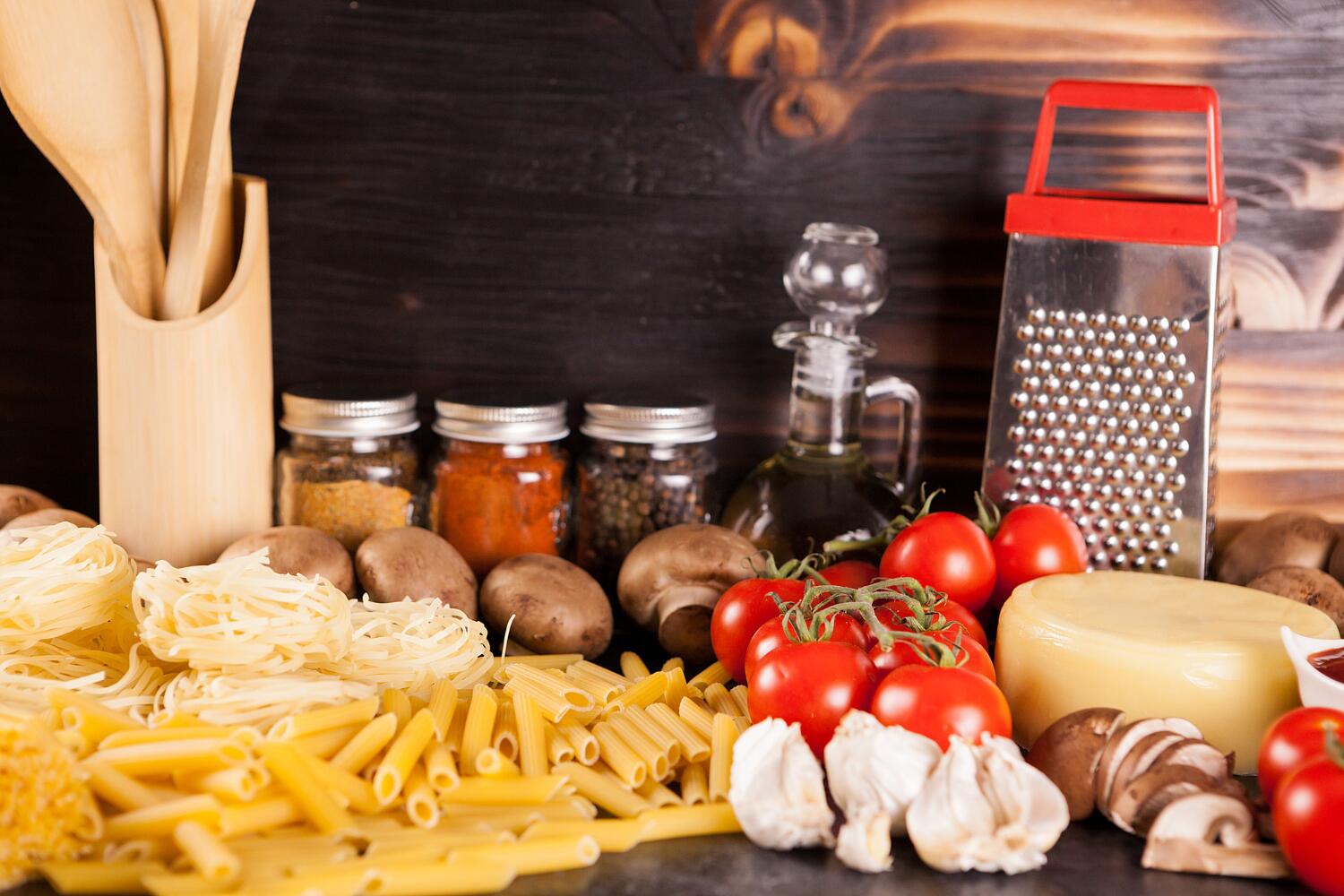
Pizzerias usually need to buy their highest-volume and most operationally important ingredients in bulk first. Core stock nearly always includes pizza flour, canned tomatoes or passata, mozzarella, cooking oil, flour for bench work, pizza boxes, and selected toppings with steady demand.
Ingredients at the centre of the menu should always get priority. Dough ingredients, sauce ingredients, cheese, and takeaway packaging sit at the heart of most pizza operations. These items move quickly, affect service every day, and are difficult to replace at short notice without raising cost.
Stock planning should match actual menu behaviour. A pizzeria selling classic Margherita, Pepperoni, Funghi, and Nduja pizzas every day will need stronger bulk coverage on flour, tomato products, mozzarella, pepperoni, mushrooms, and box stock than on slower premium toppings.
Bulk purchasing should support consistency rather than create pressure. If the kitchen cannot store a product properly or rotate it safely, a large order may create more problems than savings.
Why is flour one of the most important bulk ingredients for a pizzeria?
Flour is one of the most important bulk ingredients because dough is the base of the entire pizza offer. A pizzeria can adjust toppings, specials, or side dishes, but the dough system must stay steady if the business wants repeat quality.
Flour demand is usually easy to predict. Most pizzerias can estimate weekly use based on covers, dough ball count, and average pizza sales. That makes flour one of the safest and smartest bulk purchases in the kitchen.
Storage conditions matter when buying flour in larger quantities. Dry store space should stay clean, cool, and organised. Bags should be stacked safely and rotated in order. If the flour changes performance due to poor storage, the savings from bulk buying disappear quickly.
Product choice also matters more than price alone. Strong flour for long fermentation, flour for same-day dough, semolina for stretching, and bench flour for service each have a different role. A supplier that understands pizza kitchens can help buyers choose the right lines for volume and style.
Should pizzerias buy tomato products in bulk?
Tomato products should usually be bought in bulk because they are central to the pizza menu and often have good shelf stability. Whole peeled tomatoes, crushed tomatoes, passata, and pizza sauce bases are used constantly in most pizzerias.
Sauce consistency depends on reliable stock. Tomatoes with changing thickness, sweetness, or acidity can affect prep time and final taste. Bulk buying from a trusted supplier helps reduce those shifts and keeps the sauce profile more stable.
Ambient storage makes tomato products well suited to wholesale ordering. Cases can usually be stored without the pressure that comes with chilled ingredients, provided the stock is rotated properly and kept in the right conditions.
Menu style should guide the product choice. Neapolitan-style pizza may use hand-crushed whole peeled tomatoes. Fast casual or high-output kitchens may prefer passata or ready-prepared pizza sauce. The right bulk line depends on the workflow, oven style, and expected output.
How much mozzarella should a pizzeria buy in bulk?
Mozzarella should be bought in bulk only at the level the kitchen can use while keeping quality high. Cheese moves fast in most pizza businesses, but it is still a chilled product that needs tighter control than flour or canned tomatoes.
Volume planning should start with average weekly use. Cheese consumption can be estimated from portion size, number of pizzas sold, and any other dishes using the same line, such as baked pasta, garlic bread with cheese, calzones, or loaded sides.
Shelf life should always shape the order size. Fresh mozzarella, fior di latte, shredded pizza mozzarella, and block mozzarella all behave differently in storage. Some lines offer more flexibility for high-volume service. Others suit premium menus with faster turnover.
Kitchen discipline matters once larger cheese orders arrive. Cases should be date checked, stored at the correct temperature, and opened in sequence. Bulk buying works well for mozzarella only when the team can manage rotation and portioning consistently.
Here's our best Italian cheese collections for pizzerias.
Which toppings make sense to buy in bulk?
Toppings make sense to buy in bulk when demand is regular, shelf life is suitable, and the product is used across several menu items. Pepperoni, olives, mushrooms, artichokes, jalapeños, ham, nduja, grated hard cheese, and some antipasti lines often fall into this category.
Best-selling toppings deserve priority because they support the core menu. Pepperoni, mozzarella blends, mushrooms, onions, peppers, and black olives usually move more predictably than slower gourmet lines. These are the products that can justify stronger stock holding.
Premium toppings need a more careful approach. Burrata, truffle products, prosciutto, anchovies, and specialist salumi can raise average order value, but their sales pattern is often less stable. Bulk buying may still work, though only when demand is proven.
Cross-use makes bulk buying safer. A topping used on pizza, pasta, panini, and starters is easier to move than a topping tied to one niche menu item. Wider use reduces waste and improves stock turnover.
What dry store ingredients should pizzerias order at wholesale volume?
Dry store ingredients should be ordered at wholesale volume when they support daily prep, service, and finishing. Salt, yeast, sugar, semolina, dried herbs, chilli flakes, oregano, breadcrumbs, pasta, flour for breading, and canned pantry items often belong in this category.
Shelf-stable products give pizzerias more buying flexibility. Dry goods usually hold quality longer than chilled lines, which makes them ideal for bulk ordering when storage is available and demand is predictable.
Prep efficiency improves when dry store essentials are always on hand. A missing bag of semolina or dried oregano can sound minor, but small gaps often slow down service, force emergency buying, or weaken quality control during busy periods.
Category planning should stay organised. A pizzeria should separate dough ingredients, sauce ingredients, seasoning, takeaway condiments, and backup pantry stock so the team can count quickly and reorder without confusion.
Do pizzerias need to buy olive oil and cooking oils in bulk?
Pizzerias often need to buy olive oil and cooking oils in bulk because these products support prep, cooking, finishing, and sometimes dough production. Oil is used more widely than many operators first realise.
Kitchen use goes beyond pizza finishing. Oils may be needed for dough formulas, roasting vegetables, preparing antipasti, dressing salads, brushing crusts, cooking side dishes, and filling condiment bottles. That broad use makes oil a regular cost centre.
Pack size should match service style. A busy restaurant may prefer larger tins or foodservice containers for back-of-house use, then decant into smaller bottles for service. Smaller sites may benefit from more manageable formats that reduce handling risk.
Quality level should match the menu position. Extra virgin olive oil may suit finishing, dressings, and premium menu items. Standard cooking oil may suit prep and hot food production. Buying both strategically often makes more sense than using one oil for everything.
Why should packaging be treated as a bulk-buy essential?
Packaging should be treated as a bulk-buy essential because many pizzerias rely heavily on takeaway, click and collect, and delivery sales. Pizza boxes, dip pots, carrier bags, napkins, foil trays, and labels are as important to service as some food ingredients.
Box supply affects the customer experience directly. Wrong sizes, poor-quality board, or missing packaging can disrupt service, slow dispatch, and damage presentation. Packaging is not a small detail in a takeaway-led model.
Volume buying usually makes sense here because demand is predictable. Most sites can estimate weekly box usage based on pizza sales and average order mix. That makes packaging one of the easiest non-food categories to purchase in bulk.
Storage still needs planning. Packaging takes space, and large box orders can overwhelm small premises. Good stock control means buying enough to protect service without blocking access to prep zones or dry store shelves.
What cheeses beyond mozzarella should a pizzeria keep in bulk?
Pizzerias should often keep a small range of secondary cheeses in bulk when those cheeses are used frequently across pizzas, sides, pasta dishes, and finishing. Parmesan-style hard cheese, pecorino, provolone, gorgonzola, ricotta, and grated blends are common examples.
Menu frequency should decide the buying level. A hard cheese used on multiple pizzas and pasta dishes may justify larger wholesale quantities. A blue cheese used only on one speciality pizza may need tighter ordering.
Format choice affects value. Pre-grated cheese may save labour but can cost more and offer less flexibility. Blocks may improve yield and control if the kitchen has the prep capacity to handle them.
Balance matters with premium cheeses. Strong flavour, high cost, and shorter shelf life can turn a good ingredient into a weak stock item if demand is not steady enough. Bulk buying should always follow real menu use, not ambition alone.
Should pizzerias buy cured meats and deli products in bulk?
Cured meats and deli products should be bought in bulk only when menu demand supports it and storage conditions are right. Pepperoni, salami, ham, pancetta, speck, and nduja can work well at wholesale volume, but these lines need proper control.
Sales consistency is the first check. High-selling toppings and antipasti lines usually justify bulk ordering far more than occasional premium deli items. Predictable use is what makes a product safe to scale.
Chilled storage sets the limit. Deli meats need correct refrigeration, clean handling, and close rotation. If the site has limited chilled capacity, overbuying can lead to waste or rushed use.
Portion control helps protect margin. Bulk buying only pays off when the team uses products accurately. If sliced meats are over-portioned or deli products are opened too early, the expected savings shrink fast.
What frozen ingredients can a pizzeria sensibly buy in bulk?
Frozen ingredients can be bought in bulk when they support speed, reduce waste, and fit the menu without lowering quality. Fries, gelato, desserts, frozen vegetables, and some specialty products may sit in this group, depending on the operation.
Freezer space determines whether this approach works. A larger freezer can support stronger buying on sides, desserts, and backup stock. A cramped freezer often turns bulk buying into disorganisation.
Waste control is one of the biggest benefits. Frozen products can help pizzerias hold reliable stock on slower lines without the same pressure attached to chilled items. That can be useful for desserts, party menu add-ons, or seasonal items.
Quality standards should stay high. Frozen buying should make operations easier, not make the menu feel cheaper. The best frozen lines support consistency and speed without undermining the brand.
Which ingredients should not usually be overbought?
Ingredients with short shelf life, unstable demand, or difficult storage conditions should not usually be overbought. Fresh herbs, soft cheeses, salad leaves, premium deli items, and niche toppings often fall into this group.
Fresh products lose value fastest when volume is misjudged. Basil, rocket, burrata, ricotta, fresh mushrooms, and fresh produce can all create waste if sales dip or prep plans change.
Low-frequency menu items need careful ordering. A topping that appears on one premium pizza may look exciting on the menu, but it should not take up the same stock space as a fast-moving core line unless the sales data supports it.
Cashflow also matters here. Overbuying ties money up in stock that may not move quickly enough. Smart wholesale buying protects service and margin at the same time.
How should a pizzeria decide the right bulk order quantity?
The right bulk order quantity should be based on sales history, delivery frequency, storage capacity, and shelf life. A pizzeria should not guess this figure. It should work it out from actual use.
Sales data gives the best starting point. Weekly covers, pizza count, topping mix, and takeaway volume all show which ingredients move fastest. Those numbers make reorder decisions more accurate.
Delivery schedule affects the amount you need to hold. A site receiving one or two deliveries per week will need a different stock profile from a site receiving daily or highly flexible supply. Order planning should reflect that gap.
Safety stock should be sensible, not excessive. Core products need a buffer for busy periods, but too much backup stock can crowd the kitchen and hide waste problems. The aim is operational confidence, not overstocking.
What does a pizzeria gain from buying the right ingredients in bulk?
A pizzeria gains better margin control, stronger consistency, and smoother service when it buys the right ingredients in bulk. Good wholesale buying reduces panic ordering and supports a more stable kitchen routine.
Cost planning becomes easier when key lines are bought at trade level. Bulk prices, fewer emergency purchases, and clearer ordering patterns help the business forecast spend more accurately.
Service quality also improves because the team is less likely to run short of essential items. Flour, tomato products, mozzarella, and packaging should never become last-minute problems in a serious pizza operation.
Supplier relationships often get stronger too. Regular wholesale buying helps build a more dependable supply pattern, and that can make communication, stock planning, and future growth easier to manage.
How can A Di Maria & Sons support pizzerias buying in bulk?
A Di Maria & Sons can support pizzerias buying in bulk by helping trade customers source the Italian ingredients and foodservice lines that matter most in daily service. Product reliability, practical order terms, and a trade-focused approach matter when a kitchen needs more than a basic wholesaler.
Wholesale support works best when the supplier understands menu pressure. Flour, tomato products, cheese, oils, deli goods, and pantry lines all need to arrive in a way that helps the kitchen stay prepared and profitable.
Trade buying becomes easier when account setup, ordering, and delivery terms are clear. A pizzeria needs confidence in minimum order levels, dispatch schedules, and the overall service process before scaling up its purchasing.
Kitchen performance depends on having the right stock in the right quantity at the right time. A Di Maria & Sons is well placed for pizzerias that want a straightforward wholesale partner for Italian ingredients, steady supply, and day-to-day trade support that fits a working pizza business.

