
Buying 5L Extra Virgin Olive Oil for a Busy Kitchen: Cost per Litre and Storage
For a busy kitchen, a 5L tin of extra virgin olive oil is the format to buy, because it drops the cost per litre against bottles and the tin keeps light off the oil. Buy extra virgin in 5L for finishing and dressing, use a cheaper cooking oil for high-volume frying, and store the tin cool, dark and sealed. Decant small amounts into a service bottle so the rest stays fresh.
A 5L tin only saves money if you use it before it tires, which a high-use kitchen does easily. The common mistake is deep-frying in your best extra virgin, where the flavour and the price are wasted at high heat. Keep the extra virgin for the plate, and cook at volume in something cheaper.
Quick overview: buying olive oil for a busy kitchen
Why buy olive oil in a 5L tin?
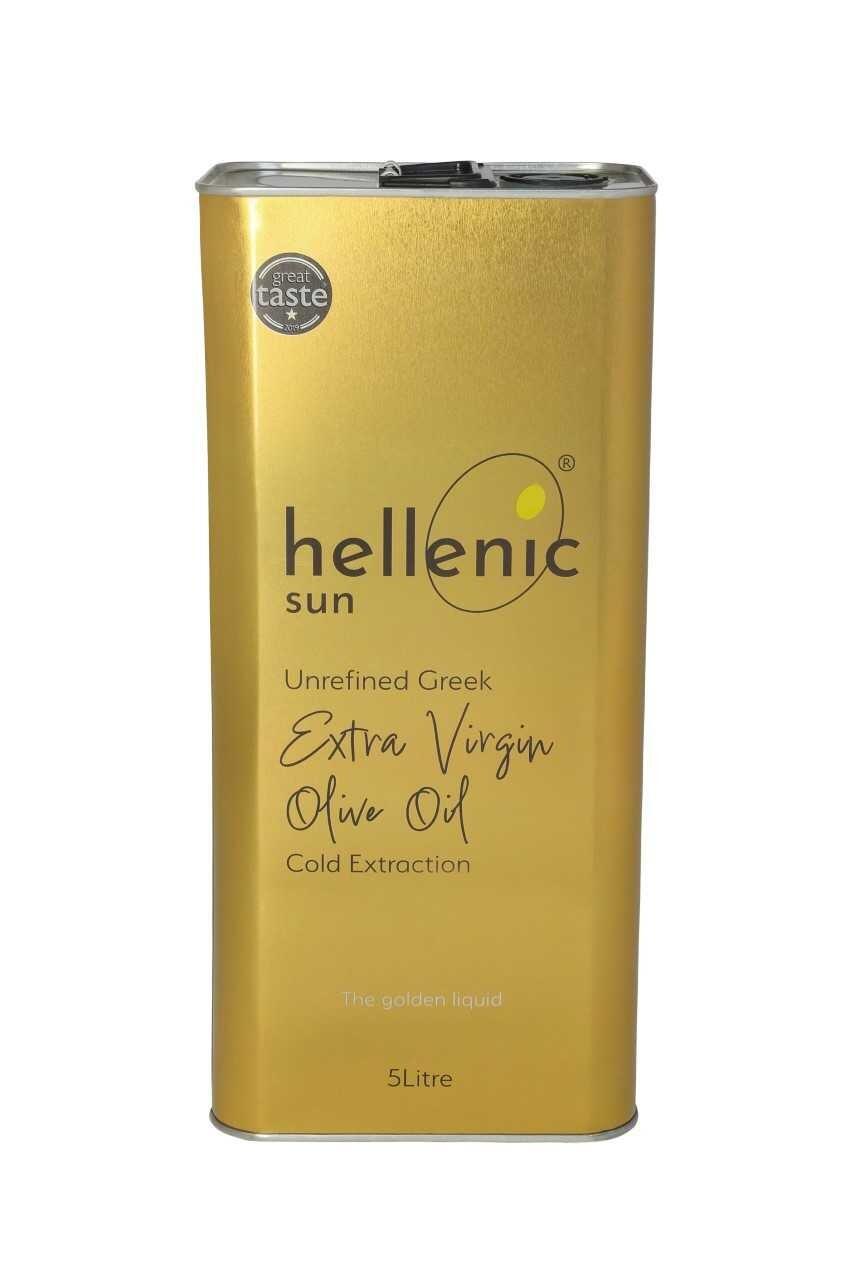
A 5L tin is the standard trade format because it costs less per litre and stores well. The bigger pack cuts the price per litre against 1L bottles, and it comes with less packaging to handle and store. The tin itself matters too. Metal keeps out light, which is one of the main things that turns oil rancid, so a tin protects the oil better than a clear glass bottle sitting on a shelf. For a kitchen that gets through oil steadily, the tin is cheaper, cleaner and better for the oil.
How much does a 5L tin save per litre?
The saving comes from the cost per litre, which you can work out in one step: divide the tin price by five and compare it to the per-litre price of the bottles you would otherwise buy. The larger format almost always comes out lower, and the gap widens on trade pricing. The saving only holds, though, if you use the oil in good time. A 5L tin in a slow kitchen can oxidise before it is finished, which wipes out the price advantage. Match the tin to how fast you actually pour.
Extra virgin or a cooking oil: which for which job?
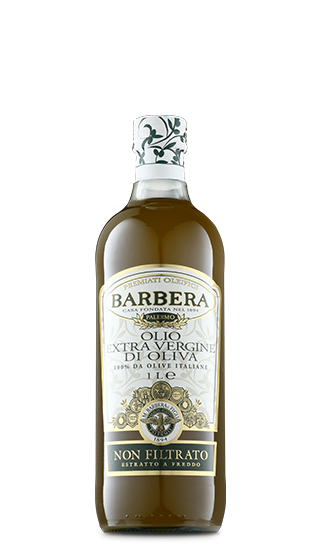
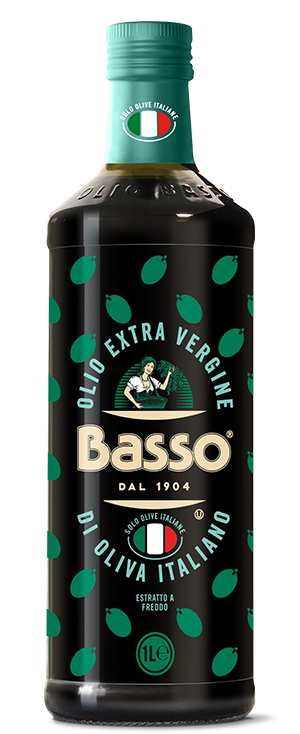
Use extra virgin where its flavour shows, and a cheaper oil where it does not. Extra virgin is the first cold extraction, under 0.8% acidity, with the flavour you want on a finished plate, a dressing or a low-to-medium sauté. For high-volume deep-frying, a refined cooking oil or a seed oil is cheaper and holds up better at sustained high heat, and the delicate flavour of extra virgin would be lost anyway. Splitting the two protects your food cost and your best oil at the same time. The table below sets out the grades.

How should you decant and use it in service?
Decant small amounts into a clean service bottle and keep the 5L tin sealed between top-ups. Air is the enemy once the tin is open, so pouring a little at a time into a squeezy bottle or cruet keeps most of the oil away from oxygen. Do not top fresh oil onto the dregs of an old bottle, because the old oil drags the fresh down, and clean the pourer regularly so rancid residue does not taint a new fill. Reseal the tin tightly and store it out of the light between uses.
How should you store olive oil in a kitchen?
Store olive oil cool, dark and sealed, away from heat and light. The worst place is next to or above the stove, where heat speeds up the oil going off. A cool, dark cupboard away from the ovens is ideal, with the lid or cap tight so air stays out. Do not keep it in the fridge, where it clouds and thickens, and rotate your stock so the oldest tin is always the next one opened.
How long does extra virgin olive oil keep?
Extra virgin olive oil is best used within about 18 to 24 months of harvest, and within a couple of months once opened. It does not spoil in a way that is dangerous, but it loses flavour and freshness as it oxidises, and an old, flat oil is not worth putting on a plate. Check the harvest date or best-before on delivery, since that tells you more than the price, and buy a tin size your kitchen finishes while the oil is still good.
Setting up your oil order
Set the order up so the right oil goes to the right job and nothing tires on the shelf.
Common mistakes when buying olive oil for a kitchen
01. Deep-frying in extra virgin. The flavour and the cost are wasted at high heat.
02. Buying a 5L tin for a low-use kitchen. It oxidises before you finish it and the saving disappears.
03. Storing oil by the stove. Heat and light turn oil rancid faster.
04. Topping fresh oil onto old. The old oil drags the fresh one down.
05. Ignoring the harvest date. An old oil is flat on the plate whatever the price was.
06. Leaving the tin open. Air is what tires the oil, so reseal it every time.
Your olive oil buying checklist
✓Extra virgin in 5L for finishing, a cheaper oil for high-heat volume.
✓Tin size matched to how fast the kitchen pours.
✓Cost per litre checked against the bottles you would otherwise buy.
✓Oil decanted into a clean service pourer, tin kept sealed.
✓Stored cool, dark and away from the stove, never in the fridge.
✓Harvest or best-before date checked on delivery and stock rotated.
Related reading
Order olive oil at trade pricing with A Di Maria & Son
Family-run Italian food & wine wholesaler since 1975, supplying restaurants, pizzerias and delis with fast nationwide delivery. We stock 5L extra virgin olive oil and cooking oils in trade formats, so you can split your finishing oil from your frying oil and keep the cost per litre down.
Apply for a trade account for pricing by the tin. Call 02476 680 514 or email contact@adimaria.co.uk with how much oil your kitchen gets through and how you use it, and we will help you match the grade and tin size to your service.
FAQs
Is a 5L tin of olive oil cheaper than bottles?
Usually, yes. A 5L tin costs less per litre than 1L bottles, and the tin protects the oil from light. The saving holds as long as you use the oil before it oxidises.
Can you cook with extra virgin olive oil?
Yes, for low to medium heat, sautéing and roasting. For high-volume deep-frying, a cheaper refined cooking oil is more economical and holds up better at sustained high heat.
How do you store olive oil in a busy kitchen?
Cool, dark and sealed, away from the stove. Decant small amounts into a service pourer and keep the tin closed. Do not store it in the fridge.
How long does olive oil last once opened?
Use it within a couple of months for the best flavour. Oil loses freshness as it meets air and light, so keep the tin sealed and rotate your stock.
Should you keep olive oil in the fridge?
No. It clouds and thickens in the cold, and it is unnecessary. A cool, dark cupboard away from heat is the right place.

