
How Pizza Shops Can Plan Ingredient Orders Without Overbuying: Stock, Storage and Weekly Buying
Pizza shops can plan ingredient orders without overbuying by matching stock levels to real weekly sales, storage space, delivery timing and product shelf life. A good ordering routine should keep core ingredients available without filling the store, crowding fridges or tying up cash in slow-moving stock.
The best order is not the biggest order. The best order is the one the team can rotate properly, use confidently and repeat without weekly guesswork.
Nine principles for planning pizza shop orders
What does overbuying look like in a pizza shop?
Overbuying happens when stock enters the kitchen faster than the business can use, store or rotate it. The problem is not always obvious on delivery day because full shelves can feel reassuring before service pressure begins.
Chilled stock usually exposes overbuying first. Mozzarella, fresh cheeses, opened meats, dough balls and prepared ingredients can become expensive waste when the order is too ambitious for real weekly movement.
Ambient stock can also cause problems. Flour, tins, oils, dry goods and boxes may last longer, but they still take space, tie up cash and create clutter when buying is not controlled.
Overbuying also weakens staff routines. Crowded fridges, mixed cases, duplicate products and unclear rotation make it harder for the team to prep quickly and use the right stock first.
A full store does not mean the kitchen is prepared. Good ordering gives staff the right ingredients at the right time, not every possible product sitting in the way.
Start with weekly sales before building the order
Weekly sales should lead the ingredient order. A pizza shop cannot plan well from memory alone, especially when weekdays, weekends, weather, local events and delivery demand all affect stock movement.
Four weeks of sales gives the buyer a practical starting point. Buyers should look at total pizzas sold, best-selling menu items, quiet days, busy periods, delivery orders and any unusual events that changed demand.
Ingredient use should then be linked to those sales. A shop selling 400 pizzas a week will need a very different flour, sauce, cheese and box routine from a restaurant selling 70 pizzas beside a wider menu.
Menu mix matters as much as total sales. A menu heavy on cheese-led pizzas, meat toppings or premium specials may use stock differently from a simpler classic menu.
A weekly review protects the buyer from old assumptions. A pizza that used to sell well may slow down, while a special may become a regular mover. Ingredient orders should follow what is actually leaving the kitchen.
Build the order around product roles, not product excitement
Pizza shops should build orders around product roles because every ingredient needs a clear job. A new tomato, salumi or cheese line may look useful, but it should not enter the order unless it supports a real menu item, prep task or service problem.
Core ingredients should come first. Flour, tomato products, mozzarella, oil, key toppings, boxes and cleaning or service essentials keep the menu running. These products deserve the clearest ordering routine.
Secondary products should be reviewed more tightly. Premium salumi, speciality cheeses, dessert lines, drinks and specials can add value, but they need movement before they deserve deeper stock.
Backup products should be controlled. A freezer case of dough balls, pinsa bases or focaccia can help during busy periods, but backup stock should not become forgotten stock.
Every product needs a clear job. Stock without a role becomes clutter, waste or cash sitting on a shelf.
What should go into a first serious pizza shop order?
A first serious pizza shop order should prove the weekly buying system before the buyer increases volume. The first order should be broad enough to support service, but narrow enough to review properly.
The core order should cover the main pizza menu first. Flour, tomato products, mozzarella, core toppings, oils and boxes usually decide whether the kitchen can serve confidently.
The chilled order should stay tight. Fresh cheese, opened salumi and prepared toppings can become waste quickly when the first order is too ambitious.
The backup order should have a clear role. Frozen dough balls, pinsa bases, focaccia or spare packaging can support busy periods, but each product needs a rotation plan.
Trial products should be limited. One new tomato, salumi, cheese or base is easier to judge than five new lines arriving at once.
Flour, tomato products, mozzarella, standard oil, main toppings and pizza boxes.
Fresh cheese, selected salumi, prepared toppings and shorter-life products.
Dough balls, pinsa bases, focaccia or other planned backup items where useful.
One new product with a clear dish, sales target and review date.
Boxes, packaging, oils, prep items and anything that protects takeaway or delivery flow.
A first order should answer one question: can the shop use, store and rotate this stock properly before the next delivery?
Separate fresh, chilled, frozen and ambient stock
Fresh, chilled, frozen and ambient ingredients need different ordering habits. A pizza shop that treats every product the same will usually overbuy some lines and underbuy others.
| Stock type | Examples | Best ordering approach | Main watchout |
|---|---|---|---|
| Fresh or short-life chilled | Fresh mozzarella, opened cheeses, prepared toppings | Order close to real usage and delivery schedule | Waste, spoilage and fridge crowding |
| Longer-life chilled | Some cheeses, cured meats, sealed products | Use weekly movement and rotation checks | Opened-pack waste and slow premium lines |
| Frozen | Dough balls, bases, selected backup products | Hold planned backup stock with clear defrost routines | Freezer space and forgotten stock |
| Ambient dry goods | Flour, tins, oils, pasta, boxes | Buy by usage, space and cash flow | Overcrowded storage and excess cash tied up |
| Service essentials | Pizza boxes, napkins, equipment-related lines | Plan around order volume and delivery trade | Running out during peak periods |
Chilled stock needs the tightest control. A small overorder can quickly become waste when the product has limited life or needs careful handling after opening.
Ambient stock gives more flexibility, but it still needs discipline. Large bags, cases and packaging supplies should fit storage space and weekly movement, not simply look like better value on the day.
Frozen stock needs a written routine. Dough balls and bases can help cover demand swings, but staff need to know when to defrost, how to rotate and what counts as emergency stock.
How should pizza shops calculate core ingredient quantities?
Pizza shops should calculate core ingredient quantities from average use per pizza and realistic weekly sales. The exact figures will vary by menu, but the method should stay consistent.
Flour planning starts with dough weight and weekly pizza count. A shop using in-house dough should know how much flour goes into a batch, how many dough balls the batch produces and how many batches are needed for each trading period.
Tomato planning starts with sauce portion control. Staff should know the average sauce quantity per pizza, how many pizzas each tin or pack supports and how much opened sauce is wasted at the end of service.
Cheese planning starts with portion discipline. Mozzarella is often one of the highest-cost pizza ingredients, so over-portioning can damage margin quickly. Each pizza size should have a clear cheese guide.
Meat and topping planning should follow menu movement. A high-cost salumi line needs tighter control than a basic vegetable topping. Slow premium items should be ordered around real sales, not menu ambition.
Packaging planning should follow collection and delivery volume. A pizzeria that does more takeaway needs a different pizza box routine from a restaurant with mostly dine-in customers.
Core pizza ingredient order structure
A pizza shop order should be split into core lines, flexible lines and trial lines. This keeps the weekly order practical and stops every product being treated as equally important.
Core weekly lines
Core weekly lines are the products the kitchen cannot run without. Flour, tomato products, mozzarella, standard oils, key toppings and pizza boxes usually sit here.
These products need reliable supply, clear par levels and repeat ordering. A shortage can disrupt service quickly, so the buyer should review them every week.
Flexible menu lines
Flexible menu lines are useful products that move at different speeds. Salumi, speciality cheeses, drinks, desserts, olives, pantry products and selected toppings may sit here.
These products should be reviewed by movement. A line that sells steadily can stay in the weekly order. A slower line may need smaller quantities, a menu push or removal.
Trial and special lines
Trial lines should enter the order carefully. New tomato products, premium meats, seasonal specials or new bases should be tested before regular volume begins.
A trial should have a planned dish, a target sales period and a review point. Trial stock without a review becomes clutter.
Backup stock
Backup stock should protect service without hiding poor planning. Frozen dough balls, pinsa bases, focaccia or spare packaging can be useful when demand spikes.
Backup products should have a rotation plan. Stock held “just in case” can quietly age, crowd storage and create false confidence.
Product-led ordering baskets for pizza shops
Product-led ordering baskets should reflect how the kitchen sells pizza. A high-volume pizzeria, a small restaurant pizza section and a delivery-led shop need different stock habits.
Core weekly basket
Use case: Main pizza menu and repeat weekly service
Order focus: Flour, tomato products, mozzarella, standard oils, core toppings and pizza boxes
Trade judgement: This basket should be the most stable part of the order. These products keep service running and should have clear par levels.


Chilled control basket
Use case: Products that can quickly become waste after opening
Order focus: Fresh mozzarella, selected cheeses, salumi, prepared toppings and opened-pack products
Trade judgement: Chilled stock should be ordered from real movement, not menu ambition. A slow premium topping is not stock, it is cash sitting in the fridge.
Frozen backup basket
Use case: Demand spikes, staff pressure and planned service cover
Order focus: Dough balls, pinsa bases, focaccia or selected frozen support products
Trade judgement: Frozen stock should have a defrost and rotation routine. Backup stock without a plan becomes hidden waste.
Delivery service basket
Use case: Takeaway and delivery-heavy pizza shops
Order focus: Pizza boxes, packaging, stable toppings, dough consistency and sauce control
Trade judgement: Running out of boxes can stop service as quickly as running out of cheese. Packaging belongs in the order plan.
Order pizza boxes alongside the food order so packaging never becomes the line that stops service.
Trial product basket
Use case: Specials, menu tests and new supplier lines
Order focus: One new product at a time with a review date
Trade judgement: Trial products should prove movement before they become weekly stock.
Plan orders around delivery days and cut-off times
Delivery days and cut-off times should shape the pizza shop’s buying routine. A good order placed too late can still create a service problem.
The weekly ordering calendar should work backwards from busy service. Many pizza shops need core stock in place before the weekend, not arriving halfway through Friday prep.
Cut-off times should be known by everyone involved in ordering. A missed cut-off can force emergency buying, rushed substitutions or menu changes.
Delivery frequency should match stock life. A high-volume site may prefer regular smaller deliveries for chilled products. A lower-volume site may need tighter order sizes to avoid waste.
Supplier communication matters when demand changes. Local events, school holidays, sports fixtures and weather can change pizza demand quickly. A supplier that understands trade routines can help buyers plan more calmly.
How Local Delivery in Coventry Helps Pizzerias Avoid Stock Problems connects naturally with this stage. Delivery planning is not just a logistics detail. It shapes how much stock the business needs to hold.
Set par levels, safety stock and reorder points
Par levels help pizza shops decide how much stock should be on hand before the next delivery. A par level should reflect weekly use, delivery timing, shelf life and storage space.
Safety stock should be small and intentional. A buffer can protect service when demand rises, but too much buffer becomes overbuying. The right amount depends on how quickly the supplier can restock and how risky the product is to run out of.
Reorder points should be simple enough for staff to follow. A buyer should know when flour, tomatoes, mozzarella, salumi, oil and boxes need ordering without checking from scratch every time.
Fast-moving lines may need tighter reorder points. Slow-moving premium items need more caution because extra stock can sit too long.
Par levels should change with evidence. A summer delivery pattern, new menu item or growing takeaway trade may change usage. Old numbers should not control new trading patterns.
Stock rotation protects margin and food quality
Stock rotation protects both margin and food quality because the oldest suitable stock should be used first. Poor rotation can create waste even when the order quantity was correct.
First-in-first-out routines should be visible. Staff should know where new stock goes, where opened stock sits and how to identify the product that should be used next.
Opened products need special attention. Cheese, salumi, sauces and prepared toppings may have different handling needs once opened. A sealed pack and an opened pack should not be treated the same.
Date labelling should be part of normal prep. Clear labels help staff avoid guessing, reduce waste and protect service quality.
Storage layout should support speed. A well-organised fridge or dry store helps staff prep faster and reduces the risk of hidden stock being missed until it is too late.
Flour, tomatoes and mozzarella need the clearest planning
Flour, tomato products and mozzarella usually need the clearest planning because they shape the main pizza offer. Changes in these three products are easy for customers and staff to notice.
Flour planning should match dough production. The buyer should know how much flour is needed for the planned dough batches, how much backup is sensible and how storage space limits larger buying.
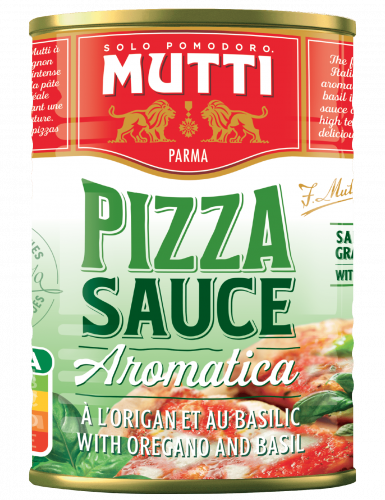
Tomato planning should match sauce prep. The kitchen should know how many pizzas each tin, pouch or pack supports, how much sauce is prepared at once and how much opened product is wasted. Quality tomato bases such as Discover Mutti pizza sauces help keep that flavour consistent batch to batch.
Mozzarella planning should match portion control. Cheese weight per pizza should be clear for each size and style. Staff should not estimate by feel during busy service.
These three lines should be reviewed together. A change in tomato moisture, cheese portion or dough weight can affect the finished pizza and the cost of each order.
Which Italian Tomato Products Work Best for Pizza Shops? and Best Wholesale Flour for Neapolitan and Classic Pizza Menus both connect directly with this planning. Ingredient quality only helps when the ordering routine keeps the right product available at the right time.
Salumi, toppings and premium products need tighter control
Salumi, toppings and premium products need tighter control because they can damage margin quickly when movement is weak. These lines often carry higher cost, shorter opened life or more staff handling.
Pizza shops should avoid building too many similar topping lines. One mild salami, one spicier option and one premium finishing meat may be enough for many menus. More variety is only useful when customers buy it.
Premium toppings should be tied to menu roles. A topping used on one slow special should not be ordered like a core line. A topping used across several strong sellers can justify deeper stock.
Opened-pack movement should be checked every week. A sealed product may look safe, but once opened it needs rotation and a clear plan.
Wholesale Italian Meats & Salumi should be ordered around product role, slicing needs, topping control and weekly movement. Range balance matters more than range size.
A simple weekly ordering process
A weekly ordering process should be simple enough to repeat and clear enough to review. Complicated stock systems often fail when the kitchen is busy.
Check sales, shortages, waste, substitutions and leftover stock before placing the next order.
Look at fridge, freezer and dry store space. Do not order more than the kitchen can rotate properly.
Flour, tomatoes, mozzarella, oils, core toppings and boxes should be checked before extras.
Salumi, speciality cheeses, desserts, drinks and specials should follow movement, not excitement.
Place the order early enough for stock to arrive before prep pressure begins.
Shortages, waste, late deliveries, poor substitutions and staff handling problems should be logged.
Change order size carefully. Large changes across several categories make mistakes harder to trace.
Weekly order review template
A weekly order review should turn service problems into better buying decisions. The review does not need to be complicated, but it does need to be consistent.
What sold?
Sales movement should show which pizzas, toppings and sides created the most demand. The buyer should look at best sellers, slow sellers and any unusual sales spikes.
What ran short?
Shortages should be recorded by product and service period. Running out on a Saturday night is different from running low after an unexpected local event.
What was wasted?
Waste should be linked to the cause. Over-prep, poor rotation, slow menu items, large pack sizes and staff portioning all need different fixes.
What was over-prepped?
Prep levels should match the trading pattern. Sauce, sliced toppings and opened packs should not be prepared in the same quantity for quiet days and busy days.
What was substituted?
Substitutions should be reviewed after delivery and service. A product that looks similar on paper may not suit the same sauce, dough, topping or dish.
What should change next week?
Order changes should be small and evidence-led. A single busy weekend should not automatically increase every core line.
Common mistakes when planning pizza shop ingredient orders
Common ordering mistakes usually come from guessing demand, chasing case prices or adding too many products before movement is proven. Pizza shops need stock that supports service, not shelves that look busy.
The biggest mistakes include:
A one-off busy weekend should not automatically change the whole order. The buyer should check whether the demand was normal growth, a local event, a promotion or a temporary spike.
Case-price buying can also mislead. A larger case is only better value when the business uses it properly. Waste, storage pressure and cash flow all sit inside the real cost.
How to reduce waste without risking shortages
Pizza shops can reduce waste without risking shortages by separating core stock from flexible stock. Core lines deserve planned backup. Flexible lines need tighter review.
Fast-moving ingredients should have clear par levels. Flour, tomatoes, mozzarella and pizza boxes usually need enough stock to protect service until the next delivery.
Slow-moving ingredients should have smaller order quantities. Premium meats, niche cheeses and special toppings should only be ordered deeper when movement is proven.
Prep quantities should match trading patterns. Sauce, sliced toppings and opened packs should not be prepared in the same quantity for a quiet Tuesday and a busy Saturday.
Menu design can reduce waste too. Ingredients used across several pizzas are easier to control than ingredients used on only one slow seller.
Supplier conversations can help when stock is not moving. A good supplier may suggest different pack sizes, alternative formats or products that fit the menu better. It can also help to Shop oils, vinegar and cooking wine in pack sizes that match real weekly use.
What should pizza shops ask before opening or using a trade account?
Pizza shops should ask trade account questions that make repeat ordering easier. A trade account should reduce weekly friction, not add more admin.
Useful questions include:
Clear answers matter. A trade account should help the buyer plan stock, protect service and avoid emergency ordering.
Trade Account Benefits should be judged by the weekly routine it creates. Better ordering, clearer communication, repeat baskets and supplier knowledge can all reduce the risk of overbuying.
Why supplier consistency helps stock planning
Supplier consistency helps stock planning because buyers can order with more confidence when products, delivery routines and communication stay predictable. Uncertain supply forces pizza shops to hold more backup stock than they should need.
Repeat availability matters for core lines. Flour, tomato products, mozzarella, oils, boxes and top-selling toppings should not change without warning.
Delivery accuracy affects ordering behaviour. A buyer who cannot trust delivery may start over-ordering to protect service. That creates crowded storage and higher waste.
Communication reduces panic buying. Early warning about shortages gives the buyer time to adjust the menu, order a suitable alternative or change prep plans.
Supplier knowledge also matters. A specialist Italian food supplier can help buyers think through menu fit, product roles, case sizes and repeat ordering across the full pizza basket.
Overbuying is often a response to unreliable supply. When buyers do not trust delivery, stock accuracy or substitutions, they hold too much backup. A better supplier routine can reduce the need for panic stock and make the kitchen easier to manage.
How to review ingredient orders after service
Order review should happen after real service, not only before placing the next order. The team should record what ran short, what was wasted and what slowed prep.
A short weekly review is enough for many shops. The buyer can check leftover stock, opened packs, wasted prep, missed sales and staff feedback.
The review should separate normal problems from unusual events. A football night, local festival, school holiday or staff shortage may change demand for one week without changing the long-term order.
Waste should be linked to cause. Over-prep, poor rotation, slow menu items, large pack size and weak storage can all create waste, but each needs a different fix.
Shortages should be reviewed honestly. Running out of a product may mean the par level was too low, but it may also mean staff portioned too heavily or sales changed unexpectedly.
Final checklist before planning the next pizza shop order
Ingredient ordering should begin with sales movement. Buyers should review recent sales, menu mix, delivery volume and leftover stock before building the next order.
Core ingredients should be planned first. Flour, tomatoes, mozzarella, oils, core toppings and boxes keep the menu running, so these lines need clear par levels and repeat ordering.
Fresh, chilled and opened products need tighter control. These lines should be ordered closer to real usage because waste can build quickly.
Ambient and frozen products still need discipline. Longer shelf life does not mean unlimited buying. Storage space, cash flow and rotation still matter.
Delivery timing should shape the order. Stock should arrive before prep pressure starts, and cut-off times should be known before the week gets busy.
Supplier communication should reduce uncertainty. Reliable delivery, early stock updates and sensible substitutions help buyers avoid panic buying.
Plan pizza ingredient orders around real service, not guesswork
Pizza ingredient ordering should make the kitchen calmer, not more crowded. The right routine gives the team enough flour, tomatoes, mozzarella, toppings, oils and boxes to serve confidently without filling storage with products that do not move.
Share your pizza style, weekly sales pattern, storage setup, delivery needs, core ingredients and current waste problems before ordering. A Di Maria & Son can help pizzerias, restaurants and trade buyers plan Italian ingredient orders around real service needs, product roles and repeat buying.
Start with the core basket, prove weekly movement, then adjust from evidence. The best pizza shop order is the one that protects service, controls waste and gives staff confidence when the rush begins.
Plan your weekly pizza basket with A Di Maria & Son
Family-run Italian food & wine wholesaler since 1975, supplying pizzerias, restaurants, delis and cafés with fast nationwide delivery.
Questions on pack sizes, delivery days or substitutions? Email contact@adimaria.co.uk
FAQ
How can a pizza shop avoid overbuying ingredients?
A pizza shop can avoid overbuying by ordering from recent sales data, setting par levels, checking storage space and reviewing waste every week. Core ingredients need planned backup, while slow-moving products need tighter control.
Which pizza ingredients should be ordered first?
Flour, tomato products, mozzarella, core toppings, oils and pizza boxes should usually be ordered first. These products protect the main menu and should be reviewed before premium or trial lines.
Should pizza shops buy ingredients in bulk?
Pizza shops should buy ingredients in bulk when weekly usage is predictable and storage is suitable. Bulk buying only protects margin when the product moves before quality is lost.
How often should pizza shops review stock levels?
Pizza shops should review stock levels at least weekly. Busy shops may need daily checks on chilled products, opened packs, dough, mozzarella and high-cost toppings.
Why do pizza shops waste ingredients?
Pizza shops waste ingredients when they over-prep, buy too much, hold too many slow-moving lines, rotate stock poorly or use pack sizes that do not match sales.
What should a supplier help pizza shops plan?
A supplier should help pizza shops plan product roles, pack sizes, delivery timing, repeat ordering, substitutions and wider ingredient baskets. Good supplier support makes overbuying less likely.
Ready to build a calmer weekly order?
Share your pizza style, weekly sales, storage and delivery needs, and we’ll help you plan flour, tomatoes, mozzarella, dough balls, salumi and boxes around real service.

