
Should Independent Delis Open an Italian Food Trade Account? Stock, Pricing and Range Planning
Independent delis should open a trade account with an Italian food supplier when regular buying, customer demand, storage space and stock rotation justify a more organised ordering route. A trade account can help delis source Italian cheeses, salumi, pasta, oils, tomatoes, olives, drinks, coffee and pantry products with clearer repeat ordering and better supplier support.
The right account should make the deli easier to run. Trade access only helps when the products sell, staff can explain them, chilled stock is handled properly and the buyer can reorder without last-minute stress.
Nine signs a deli may be ready for a trade account
What does a trade account actually do for an independent deli?
A trade account gives an independent deli a more structured way to buy from a supplier. It should support repeat orders, trade terms, product access, supplier communication and better range planning.
The main benefit is buying control. Delis can move from occasional product hunting to a more repeatable weekly or fortnightly routine. That helps the buyer know what needs ordering, what is selling and what should be reviewed.
Trade accounts can also improve communication. A deli buying regularly needs clear answers about stock, substitutions, order cut-offs, delivery days and product suitability. Vague supply can create counter gaps and wasted stock.
Product support matters too. A specialist Italian food supplier should help the deli choose products by role, not just name. A salumi line, cheese, oil or pasta should have a reason to sit in the range.
A good trade account should reduce pressure, not add admin. The account should make ordering easier, give the buyer more confidence and help the deli build a range around evidence.
When does a deli actually need a trade account?
A deli needs a trade account when regular buying has moved beyond occasional orders. The clearest sign is repeat demand across several product categories.
Italian meats, cheeses, pasta, oils, olives, tomatoes, drinks, coffee and sweets can all sell well in a deli when they fit the customer base. A trade account becomes useful when those products need planned stock rather than one-off buying.
Customer requests are another signal. A deli that is regularly asked for prosciutto, mortadella, burrata, pasta, olive oil, biscuits, coffee or Italian soft drinks may need a better route to source and restock those lines.
Counter routines also matter. A deli slicing meats, portioning cheese, making sandwiches or selling antipasti needs more control than a shop carrying a few shelf items. Chilled products need storage discipline, staff handling and clear use before the next order.
The decision should still be evidence-led. A trade account is not a badge of growth. It is useful when the deli has enough demand, storage and buying rhythm to make it work.
Trade account benefits should be judged by real deli use
Trade account benefits should be judged by how they improve daily buying and selling. Better access, pricing or range depth only helps when products move through the business properly.
The strongest benefit is repeat ordering. A deli should be able to reorder core lines more easily, especially the products customers buy every week.
Pricing can help, but only when stock sells through. A trade discount does not fix a product that does not sell. A lower price can still become expensive when the deli opens too much chilled stock or carries products customers do not understand.
Product access can also matter. A trade account may give the deli a clearer route to Italian cheeses, cured meats, pasta lines, oils, tomato products, drinks and pantry staples that support a stronger Italian range.
Supplier advice can be just as valuable as price. Independent delis often need help choosing pack sizes, product roles and range balance. The best buying decision is the one that fits the counter, shelf and customer.
Which delis gain most value from an Italian food trade account?
Delis gain most value from a trade account when Italian products already play a regular role in sales. A deli does not need to be fully Italian to benefit, but it does need a clear reason to buy Italian products regularly.
| Deli type | Trade account value | Main watchout |
|---|---|---|
| Chilled counter deli | Better cheese, salumi and antipasti planning | Opened-pack waste and fridge pressure |
| Sandwich-led deli | Stronger lunch products and repeat fillings | Portion control and prep waste |
| Retail shelf deli | Easier pantry, pasta, oil, coffee and drinks replenishment | Slow shelf movement |
| Gift and hamper deli | Better seasonal product planning | Overbuying after short sales peaks |
| Small mixed deli | More organised core buying | Adding too many lines too soon |
Delis with a chilled counter
A chilled counter can make strong use of Italian cheeses and salumi. Prosciutto, mortadella, salami, bresaola, mozzarella, burrata, hard cheese, olives and antipasti items can support counter sales, boards, sandwiches and staff recommendations.
Chilled counter buying needs control. Opened products, slicing, display, storage and date labelling all affect margin. A deli counter should look confident, not overcrowded. Explore Italian cheeses when you are mapping the counter range.
Delis with sandwich or lunch trade
A sandwich-led deli can use Italian products across focaccia, panini, filled rolls, salads and premium lunch lines. Mortadella, salami, prosciutto, mozzarella, pesto, oils, olives and roasted vegetables can all support a stronger offer.
Lunch trade needs products that layer well, hold shape and sell quickly. A product that looks good in a catalogue still needs to work in the hand, on the counter and through the lunch rush.
Delis with retail shelves
Retail shelves can support pasta, oils, vinegars, biscuits, coffee, drinks, tomatoes, sauces, olives and pantry staples. These products often have longer shelf life than chilled counter stock, but they still need customer demand and clear display.
Retail stock should not become shelf decoration. Products need regular interest, staff recommendations or a clear reason to sit in the range.
Delis building gifting and hamper ranges
Gift and hamper ranges can make Italian pantry products more valuable. Oils, pasta, coffee, biscuits, sweets, sauces, drinks and speciality items can build basket value when they are chosen well.
Gift stock should still be planned carefully. Seasonal buying can create strong sales, but overbuying after a short peak can leave slow stock behind.
Product-led trade account baskets for independent delis
Product-led trade account baskets should reflect how the deli sells food. A chilled counter, sandwich counter, retail shelf and gifting range all need different buying habits.
Core deli counter basket
Use case: Deli counters, cheese boards, antipasti and customer service
Order focus: Prosciutto, mortadella, salami, bresaola, mozzarella, hard cheese, olives, antipasti items and oils
Trade judgement: This basket should start narrow and prove demand. A smaller range staff can explain often sells better than a long range nobody understands.
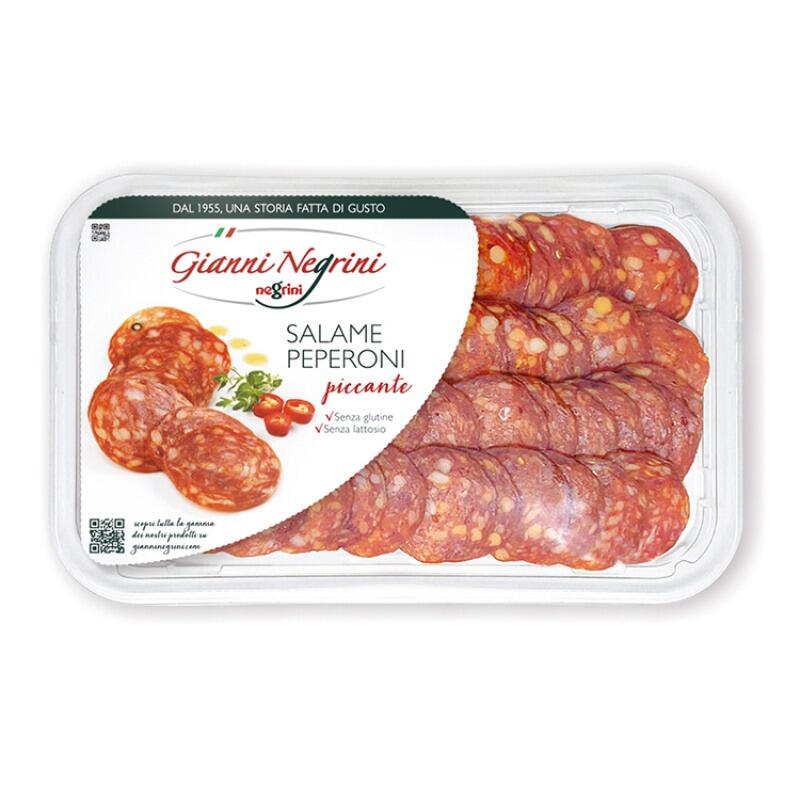


Sliced salumi such as Discover Gianni Negrini can anchor a counter and sandwich range that staff find easy to explain.
Sandwich and lunch basket
Use case: Focaccia, panini, premium sandwiches and lunch menus
Order focus: Mortadella, salami, prosciutto, mozzarella, pesto, oils, roasted vegetables, olives and suitable bread or base products
Trade judgement: Products should layer well, portion cleanly and protect margin during service. Lunch lines need speed as well as flavour.
Retail shelf basket
Use case: Everyday Italian pantry and take-home products
Order focus: Pasta, tomatoes, olive oil, coffee, biscuits, sauces, Italian soft drinks, olives and pantry staples
Trade judgement: Shelf products should be easy for customers to understand. Staff recommendations can turn pantry stock into repeat sales.
Premium and gift basket
Use case: Hampers, gifting, seasonal buying and higher basket value
Order focus: Olive oils, coffee, sweets, biscuits, speciality pasta, sauces, drinks and selected premium pantry products
Trade judgement: Gift stock should have a season, display plan and review date. Attractive stock still needs sales movement.
Trial product basket
Use case: Testing a new cheese, salumi, pasta line, drink or pantry product
Order focus: One new product at a time with a clear purpose
Trade judgement: Trial products should prove customer interest before they become regular stock.
How should delis choose the first products for a trade account?
Delis should choose first trade account products by demand, margin and customer use. The first order should prove the buying system before the deli adds too much range.
Core products should come first. A deli that wants an Italian range may start with a small selection of salumi, one or two cheeses, pasta, olive oil, tomatoes and a few pantry staples.
Staff confidence should guide the first range. Products are easier to sell when the team can explain flavour, use and pairing ideas simply.
Pack size should stay realistic. A large product may look better value, but it can become expensive when the deli cannot sell it quickly enough.
The first order should avoid too many similar products. Three similar salami lines, several hard cheeses or too many pasta shapes can create confusion and slow sales.
A focused first basket usually works better. The aim is to build a base that sells, then expand from evidence.
First serious deli trade order structure
A first serious deli trade order should start with products that can work across more than one selling route. The best first order gives the deli enough range to sell confidently without creating fridge pressure or shelf clutter.
Choose a small number of Italian cheeses, salumi and antipasti products that staff can explain and customers can understand quickly.
Add products that can work in focaccia, panini, salads or prepared food, such as mozzarella, salumi, oils, pesto or olives where suitable.
Build a small shelf range with pasta, tomatoes, olive oil, coffee, biscuits or sauces that match customer demand.
Add one higher-value product or gifting option only when the deli has a clear display plan.
Test one new line at a time. Review sales, staff feedback and waste before adding more.
A first order should answer one question: can the deli sell, explain, store and rotate this stock properly before the next order?
When should a deli wait before opening a trade account?
A deli should wait before opening a trade account when customer demand, storage space or staff routines are not ready. Trade access can create problems when the business starts buying larger ranges before the range has proven demand.
A new deli may need a short test period first. Retail buying or smaller trial orders can show whether customers want Italian cheeses, salumi, pasta, oils, coffee or pantry products before the buyer commits to repeat trade ordering.
Limited chilled space is another warning sign. A deli with a small fridge or weak stock rotation process should be careful with meats, cheeses and antipasti lines. Chilled stock can lose margin quickly when storage is too tight.
Staff knowledge should also be considered. A product that staff cannot explain is harder to sell, even when it is good. Deli teams need simple product notes, pairing ideas and confidence before the range expands.
Cash flow matters too. A larger order can look efficient on paper, but it can tie up money in stock that moves slowly. A trade account should support the business, not force it into buying more than it can manage.
Waiting is not failure. A deli should open a trade account when the first serious order can be planned, sold and reviewed properly.
Chilled handling and storage decide whether the account works
Chilled handling and storage often decide whether a trade account creates profit or waste. Italian cheeses and meats can sell well, but only when the deli has the space, handling routine and demand to support them.
Fridge space should be checked before the order grows. A trade account can make it tempting to buy more, but the deli still needs safe, organised and accessible chilled storage.
Opened products need clear rules. Sliced meats, opened cheeses and prepared items should be dated, covered, rotated and used within the business's own safe handling process.
Slicing routines affect yield. Poor slicing can reduce appearance, damage texture and increase waste. Whole salumi and larger cheese formats need skill, equipment and staff confidence.
Display stock should be reviewed daily. A full counter may look appealing, but slow sales can weaken margin when products sit too long.
Trade buying should match the deli’s handling ability. A product is only good value when the business can store it, serve it and sell it properly.
Pricing, margin and cash flow need more than trade discounts
Trade pricing only helps when the deli can protect margin through sales, portion control and sensible ordering. A better price per unit can still become a poor decision when stock sits too long.
Margin should be judged by real sale format. A salumi line sold by weight, used in sandwiches and added to boards may create different returns in each setting. The buyer should know where each product earns money.
Cash flow matters for independent delis. A large order can feel efficient, but it may tie up money that the business needs for other stock, wages or weekly operating costs.
Portion control protects profit. Cheese, salumi, antipasti and sandwich fillings should have clear serving guidance. Small overuse across many sales can remove the benefit of trade pricing.
Waste should be counted honestly. A product with a good trade price is not good value when opened packs, slow sales or poor rotation create losses.
Supplier consistency matters for deli planning
Supplier consistency matters because delis need to build trust with their own customers. A regular customer who returns for a cheese, meat, pasta or coffee line expects it to be available when possible.
Repeat availability protects the range. The deli can sell with more confidence when core lines are easier to reorder and product changes are communicated early.
Delivery accuracy protects the counter. Missing chilled products, wrong formats or unsuitable substitutions can affect display, prep and customer service.
Communication matters before problems become urgent. A deli can plan around a shortage when the supplier explains it early. Last-minute surprises create rushed buying and weaker alternatives.
Supplier knowledge also helps range building. A specialist Italian food supplier should understand product roles, storage pressure, customer appeal and the difference between counter stock and shelf stock.
A trade account should not turn buying into a bigger admin job. It should help the deli reorder important lines, manage stock changes, ask better questions and plan with more confidence. When the account adds confusion, the supplier relationship needs reviewing.
Trade accounts can help staff sell with more confidence
Trade accounts can support staff confidence when the supplier gives useful product information. Deli staff often sell better when they can explain what a product is, how it tastes and how a customer might use it.
Simple product stories can help customers choose. Mortadella for focaccia, prosciutto with mozzarella, bresaola with rocket and hard cheese, pasta with a suitable sauce, or olive oil for finishing can all support easy recommendations.
Staff should not need technical language to sell well. Clear flavour notes, use cases and pairing ideas often work better than long product explanations.
Supplier support can make the range easier to understand. Product guidance, format advice and category knowledge help the deli turn stock into confident sales.
The range should also be easy for new staff to learn. A focused Italian section with clear product roles is easier to train than a crowded range with too many similar items.
Wholesale Italian Meats & Salumi and Wholesale Italian Cheeses should both support staff confidence when the products are chosen around customer use, counter appeal and simple serving ideas.
What should delis ask before opening a trade account?
Delis should ask practical questions before opening a trade account. The answers should show whether the supplier understands deli buying, chilled handling and repeat stock needs.
Useful questions include:
Clear answers matter. A trade account should make the buying routine easier to understand before the deli depends on it.
Trade Account Benefits should be judged by what happens after the account opens: easier repeat ordering, better communication, sensible substitutions and useful product support.
Common mistakes delis make when opening a trade account
Common trade account mistakes usually come from buying too much too quickly. A new account can make a bigger range feel possible, but every product still needs a role, a place and a customer.
The biggest mistakes include:
A long range does not automatically make a deli more specialist. A focused range that sells steadily, looks good and is easy to explain often does more for the business.
Buying for display can also hurt margin. A product that looks impressive but does not sell is still cash sitting in the fridge or on the shelf.
How should delis review trade account performance?
Delis should review trade account performance by checking sales, waste, repeat ordering and supplier support. The review should happen after real trading, not only after the first delivery.
Sales show what customers understand and buy. Products that sell steadily deserve more attention. Products that need constant pushing may need better display, staff training or removal.
Waste shows where buying is too ambitious. Opened meats, slow cheeses, damaged packaging and forgotten pantry lines all point to problems in ordering or rotation.
Supplier support should be part of the review. The deli should ask whether communication is clear, deliveries are accurate and substitutions make sense.
Margin should be checked by product role. A cheese used across counter sales and sandwiches may justify deeper buying. A premium item used in one slow hamper line may not.
The account should make the deli more controlled over time. Better buying routines, clearer range structure and fewer emergency orders are signs that the account is working.
A simple trade account review template
A trade account review should turn buying experience into better decisions. The deli does not need a complicated system, but it does need a regular habit.
What sold steadily?
Steady sellers should form the repeat basket. These are the products customers understand, staff can sell and the business can reorder with confidence.
What needed too much explanation?
Products that need constant explanation may still be useful, but staff need better selling points. The deli should decide whether the product deserves more support or should leave the range.
What was wasted?
Waste should be linked to cause. Large pack size, weak sales, poor slicing, poor storage or poor display all need different fixes.
What created repeat requests?
Customer requests show where the range may have room to grow. A product that brings customers back may deserve deeper stock or a stronger display position.
What caused ordering friction?
Ordering friction should be recorded. Late delivery, missing stock, unclear substitutions or weak communication can make a trade account harder than it should be.
What should change in the next order?
Changes should be small and evidence-led. Add one product, remove one slow line or adjust one pack size rather than changing the whole range at once.
Should every independent deli open a trade account?
Every independent deli does not need a trade account straight away. The decision depends on sales, storage, product focus and buying frequency.
A new deli may need time to understand its customers first. Occasional buying can help test whether Italian cheeses, meats, pasta, oils or pantry products suit local demand.
A growing deli may benefit more quickly. Once repeat buying becomes regular, a trade account can help organise orders and improve supplier communication.
A deli with limited chilled space should be cautious. Trade access can create temptation to overbuy, especially in meats and cheeses. Storage should set the limit.
A deli with strong Italian demand should consider it seriously. Regular customer interest, counter sales and shelf sales all make a trade account more useful.
The right answer is practical. A trade account should support the deli’s sales rhythm, not force the business into stock it cannot sell.
Final checklist before opening a trade account
Trade account decisions should begin with real customer demand. Delis should know which Italian products customers already buy, ask for or respond to before building a bigger range.
Storage capacity should be checked before the first trade order. Chilled, ambient and display space all set limits on what the deli can handle.
The first order should stay focused. A small, balanced range of cheeses, salumi, pantry products and one or two trial lines is easier to review than a wide first order.
Supplier terms should be clear. Delivery days, cut-off times, minimum orders, substitutions, chilled handling and repeat baskets should be understood before the account becomes part of weekly buying.
Staff should be ready to sell the range. Product knowledge, pairing ideas and clear display help trade stock become real sales.
Review should happen after the first order. The deli should check what sold, what was wasted, what staff found easy to sell and what the supplier handled well.
Open a trade account when the range is ready to sell
Independent delis should open a trade account when Italian products have a clear role in the business. The account should support steady buying, better range planning, clearer supplier communication and stronger customer choice.
Share your deli type, counter setup, storage capacity, current product range, weekly buying needs and customer demand before opening an account. A Di Maria & Son can help independent delis, cafés, sandwich counters and food retailers build Italian food orders around real sales, product roles and repeat buying.
Start narrow, prove demand, then expand from evidence. The best trade account is the one that helps the deli buy with more confidence, reduce waste and sell products customers come back for.
Open an Italian food trade account with A Di Maria & Son
Family-run Italian food & wine wholesaler since 1975, supplying independent delis, cafés, sandwich counters and restaurants with fast nationwide delivery.
Questions on pack sizes, chilled handling or delivery days? Email contact@adimaria.co.uk
FAQ
Should independent delis open a trade account with an Italian food supplier?
Independent delis should open a trade account when they buy Italian products regularly and have enough customer demand, storage space and stock movement to support repeat orders.
What are the benefits of a trade account for delis?
A trade account can help delis with repeat ordering, trade pricing, product access, supplier communication, range planning and support for chilled and ambient stock.
What should a deli order first from an Italian food supplier?
A deli should usually start with a focused range of Italian cheeses, salumi, pantry staples, oils, pasta, tomatoes and one or two trial products that match customer demand.
Can a small deli open a trade account?
A small deli can open a trade account when it has regular product demand and clear ordering needs. Smaller trial orders may be better before building a larger range.
When should a deli wait before opening a trade account?
A deli should wait when customer demand, storage space, cash flow or staff routines are not ready for repeat trade buying. Testing a smaller range first can reduce risk.
How can delis avoid wasting trade stock?
Delis can avoid wasting trade stock by starting with a focused range, tracking sales, controlling chilled products, training staff and reviewing opened-pack waste after each order.
What should delis ask before opening a trade account?
Delis should ask about delivery days, order cut-offs, minimum orders, chilled handling, pack sizes, substitutions, repeat baskets, allergens, storage guidance and account support.
Ready to plan your deli range?
Share your deli type, counter setup, storage and customer demand, and we’ll help you build an Italian range around cheeses, salumi, oils, pasta and pantry lines that sell.

