
Wholesale Pizza Dough Balls for Busy Pizzerias: What to Check Before Ordering
Wholesale pizza dough balls can help busy pizzerias save prep time, reduce pressure on staff and keep orders moving during peak shifts. Ready-made dough only works well when portion size, storage, delivery timing and product consistency match the way the kitchen actually operates.
A good dough ball should stretch well, bake cleanly, suit the pizza style and make service easier, not create another problem for the team.
Nine principles for buying dough balls well
What makes wholesale pizza dough balls useful for busy pizzerias?
Wholesale pizza dough balls are useful when they reduce prep pressure without reducing pizza quality. Busy kitchens need products that behave predictably, arrive on time and fit the working rhythm of the team.
Labour pressure is often the main reason pizzerias consider ready-made dough. Mixing, dividing, balling, proving and managing dough can take skilled time away from sauce prep, toppings, cleaning, stock control and service planning.
Demand swings also make ready-made dough attractive. Weekend rushes, local events, delivery spikes and staff shortages can make in-house dough production harder to control. A predictable dough supply can reduce waste, improve planning and remove some of the guesswork before service.
Quality still decides whether the product is worth using. A dough ball that saves labour but stretches badly, bakes unevenly or changes the pizza style is not a real saving. It only works when the final pizza still feels right to the customer.
Ready-made dough balls should support quality, not replace judgement
Ready-made dough balls make sense when they support the operation and protect the pizza the customer expects. The decision is not about taking shortcuts. The decision is about choosing the best system for the kitchen.
In-house dough gives a pizzeria full control over recipe, fermentation and house style. That can be the right route when the team has the skill, space, time and consistency to manage dough properly.
Bought-in dough balls give more control over labour and timing. They can reduce early prep, make staff cover easier and support businesses that are growing, extending opening hours or handling more delivery trade.
Cost comparison should include the full process. Flour, yeast, salt and water may look cheaper than bought-in dough, but labour, failed batches, equipment, storage, training and waste all carry cost. The better choice is the one that protects quality, service and margin together.
How should pizzerias choose the right portion size?
Portion size should match the pizza style, menu size, oven setup and customer expectation. Dough weight affects stretch, crust thickness, centre texture, bake speed and value perception.
A dough ball that is too small can produce a weak base that struggles under toppings. A dough ball that is too large can make the pizza heavy, slow to bake or harder to price properly.
Menu format should lead the portion decision. A 10-inch lunch pizza needs a different dough weight from a 12-inch classic pizza, a delivery-style pizza or a more artisan crust.
Oven behaviour should be tested before repeat orders begin. Dough weight can perform differently in deck ovens, conveyor ovens and high-heat pizza setups. A dough ball that looks right on paper may puff too much, colour too fast or bake too slowly in a specific oven.
Margin control also depends on portion size. Small weight differences repeat across every pizza sold, so the chosen dough ball should protect both food cost and customer satisfaction.
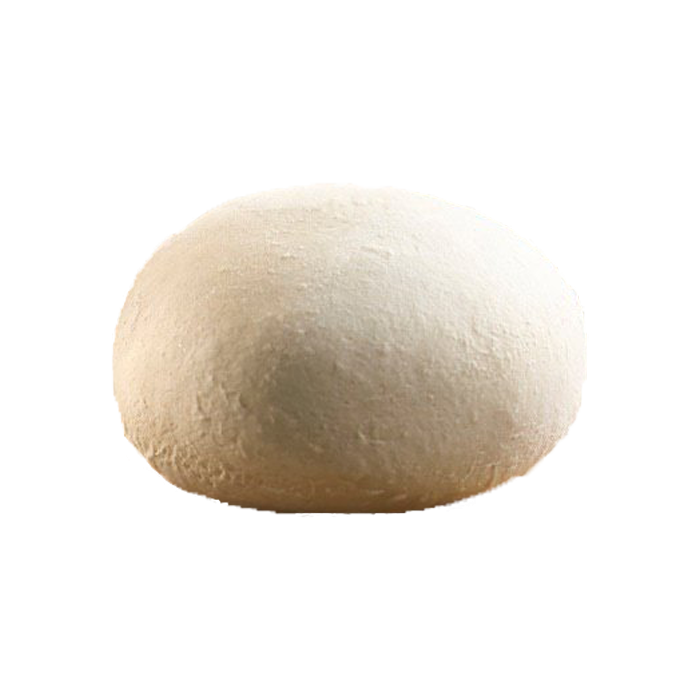
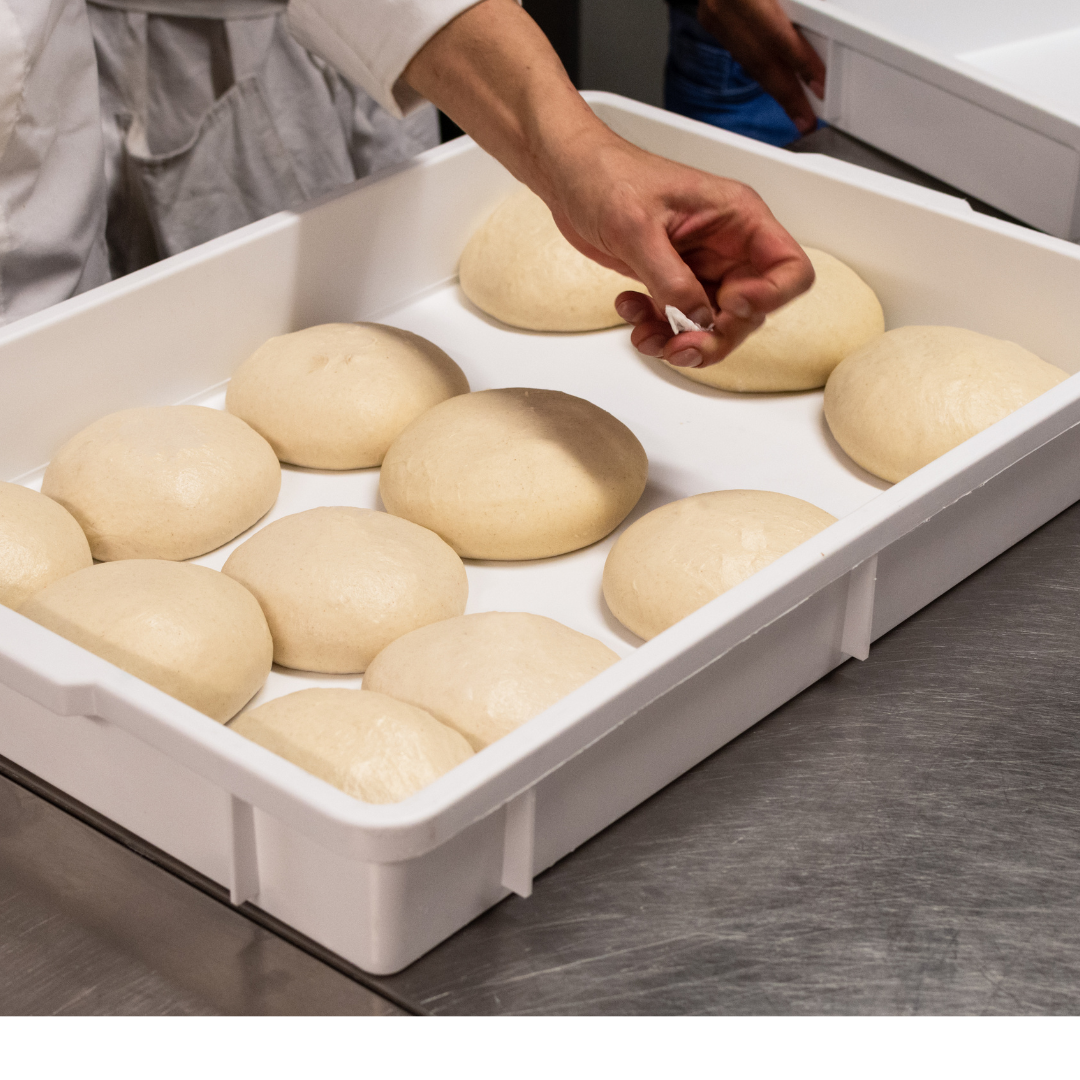
Two Dallagiovanna portions — pick the one that fits your pizza size
Chilled and frozen dough balls need different routines
Chilled and frozen dough balls can both work well, but they suit different kitchens. The right format depends on storage space, sales rhythm, handling routines and how predictable demand is.
| Dough format | Best fit | Main watchout |
|---|---|---|
| Chilled dough balls | Busy sites with steady movement and predictable sales | Shorter usable life and tighter stock rotation |
| Frozen dough balls | Sites needing backup stock or more demand flexibility | Freezer space, thawing time and handling discipline |
Chilled dough balls usually suit businesses with regular movement. They can be easier for teams that want dough close to service-ready with less long-range defrost planning.
Frozen dough balls usually suit businesses that need more flexibility. They can help pizzerias hold backup stock, manage unexpected rushes and reduce the risk of running out during busy periods.
Kitchen rhythm should decide the format. A high-volume site may prefer chilled dough because the product moves quickly. A smaller or more variable site may prefer frozen dough for better stock cover. Some pizzerias may use both, with chilled dough for planned service and frozen dough for backup.
Storage, rotation and staff handling protect the product
Storage checks should happen before dough arrives. Chilled and frozen dough balls need suitable space, clear rotation and staff routines that protect the product from waste or poor handling.
Chilled storage needs careful planning. Dough balls need fridge space where they can sit safely, stay easy to access and avoid damage. A product that turns the fridge into a daily puzzle is not really saving time.
Frozen storage needs a different routine. Freezer space, thawing plans and tempering times must be realistic. Poor defrost planning can make good dough feel tight, wet, sticky or difficult to stretch.
Staff handling should be simple and repeatable. Teams need to know when dough moves from storage, how long it needs before service and how to stop it drying out. Ready-made dough only saves time when the team knows how to handle it properly.
Why do delivery timing and supplier consistency matter?
Delivery timing matters because dough that arrives too late is not useful stock. Dough supply has to fit prep time, storage routine and service start, not just the supplier's delivery diary.
Order cut-off times should be checked before regular supply begins. A site with heavy weekend trade may need reliable delivery before Friday service. A pizzeria with steady daily trade may prefer smaller and more frequent deliveries.
Delivery accuracy is just as important as timing. Wrong portion sizes, missing boxes or incorrect formats can create immediate problems because dough is not easy to replace at short notice.
Supplier consistency matters because dough is the base of the menu. The product should arrive in the same portion size, format and condition each time. Pizzerias buy repeatability as much as convenience.
Communication becomes critical when delivery changes. Stock updates should explain delays, shortages or alternatives early enough for the buyer to plan. Silent problems create avoidable disruption.
Dough quality should be tested under real service conditions
Dough quality should be judged in the real kitchen, not only from a quiet sample. A dough ball needs to stretch, top, bake and serve well under normal working conditions.
Stretch quality is one of the clearest tests. Dough that tears, sticks badly or springs back aggressively can slow the line and frustrate staff. Those minutes matter during a busy shift.
Bake quality is just as important. Dough should colour properly, cook through, support toppings and create the crust style the menu promises. Testing should include the full pizza, not only the raw dough.
Staff confidence also matters. Teams work faster when the product behaves the same way every time. Less experienced staff especially benefit from dough that opens cleanly and bakes consistently.
Trial notes should be practical. Staff should record storage, tempering, stretch, topping, bake, waste and customer response before the business commits to repeat orders.
A four-stage trial before repeat orders
Stage 1. Receive the order. Check storage routine, defrost or chill plan, tempering time. Note what the team did and what was easy or awkward.
Stage 2. Stretch and top. Watch how the dough opens — does it tear, spring back, stick? Top with the real sauce and cheese the menu uses.
Stage 3. Bake in the real oven. Check colour, lift, base cook, edge crust. Plate and serve as you would to a customer.
Stage 4. Review with the team. Capture waste, stretch difficulty, customer feedback. Only commit to repeat orders if all four stages held up under real service pressure.
What product information should suppliers provide?
A supplier should provide clear product information before a trade order begins. Dough buyers need to understand portion size, format, storage method, shelf life, handling instructions and suitability for the pizza style.
Portion information should be easy to understand. Dough ball weight, pack quantity and recommended pizza size should be clear before ordering.
Storage and handling details should be specific. Chilled or frozen format, defrost instructions, tempering guidance and shelf-life information all affect the kitchen routine.
Ingredient and allergen details should also be available. Restaurants and pizzerias need accurate information for compliance, customer questions and internal process.
A listing that lacks detail makes the buyer take too much risk. Clear information helps the kitchen plan properly and protects the business before the dough reaches the bench.
How do dough balls affect labour cost and gross margin?
Dough balls affect labour cost by reducing or removing the time spent mixing, dividing and balling dough in-house. Prep savings can be valuable when skilled staff time is limited or service routines need to be more predictable.
Labour savings should still be compared with product cost. A dough ball may cost more than raw ingredients, but the comparison should include staff time, waste, failed batches, equipment use and rejects.
Gross margin improves when dough cost, labour saving and waste reduction are measured together. Dough buying should not be judged only by the price of each ball.
Portion control also supports margin. Consistent dough weight makes menu costing easier and helps the team produce the same pizza size every time.
Customer consistency protects revenue too. A pizza base that changes too much can affect repeat orders and reviews. Customers remember the pizza they enjoyed last time.
Wider pizza ingredient supply makes ordering easier
Dough ball supply should connect with the wider pizza ingredient supplier relationship. Pizza quality depends on dough, sauce, cheese, toppings, oils, flour, boxes and service essentials working together.
A strong dough ball can still be let down by weak tomatoes, inconsistent mozzarella or poor packaging. Better buying looks at the whole pizza offer.
A pizzeria buying dough balls may also need tomato products and pizza sauces, mozzarella and Italian cheeses, salumi, olive oil, pizza boxes and equipment. A supplier with wider Italian food and pizza relevance can help reduce scattered ordering.
A Di Maria & Son supports this connected buying process. Dough balls, pizza bases, flour, tomato products, cheeses, meats and equipment can sit inside one wider Italian foodservice conversation.
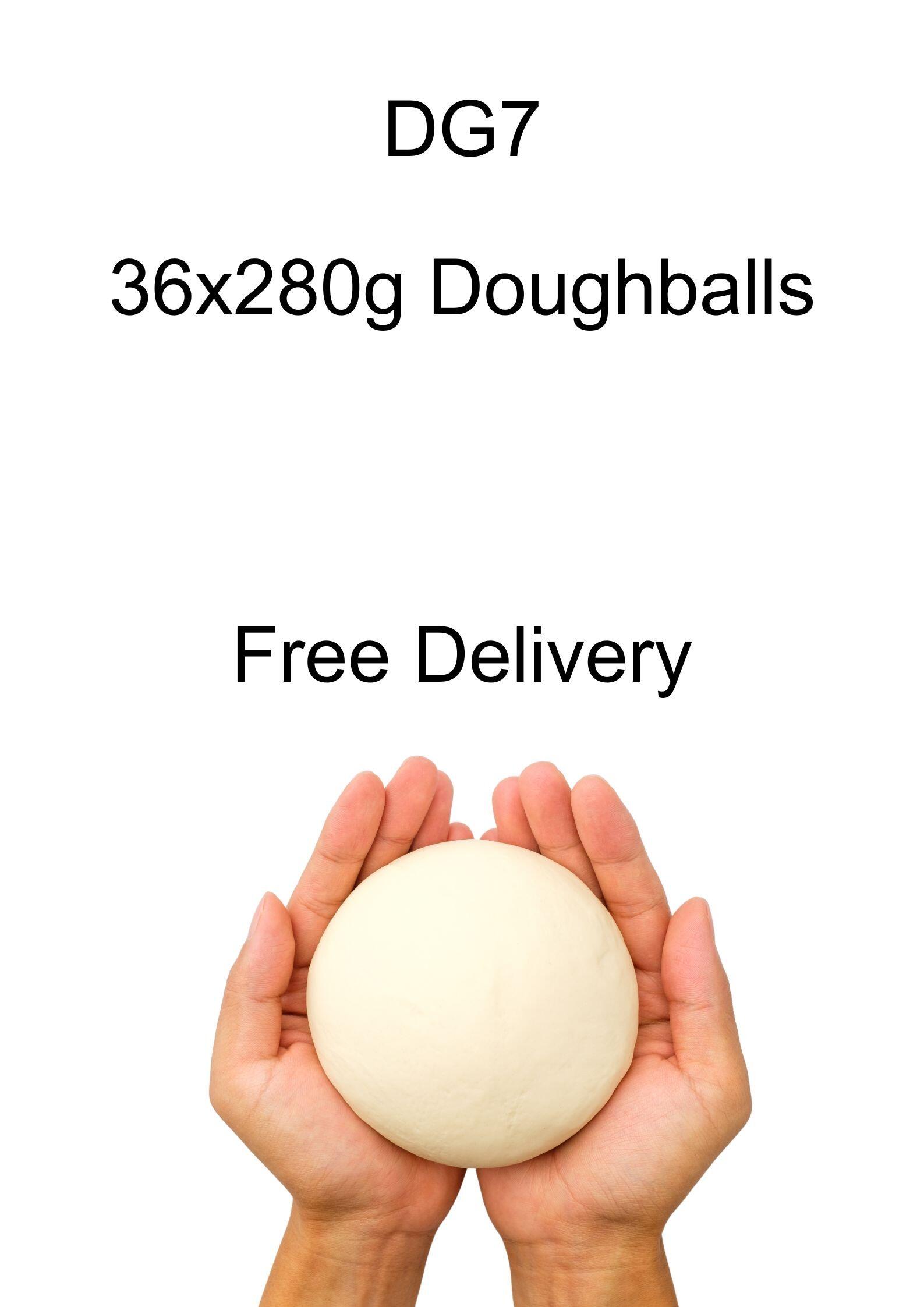
Scale up to repeat trade volume — plus two pre-baked back-ups


Common mistakes when ordering wholesale pizza dough balls
Common first-order mistakes usually come from treating dough balls as simple convenience stock. Dough balls are core menu products, so the first order needs more care than a casual trial.
The biggest mistakes include:
Portion mismatch can change the whole product. Dough weight that does not fit the pizza size or oven setup can make the pizza feel too thin, too heavy or too slow to bake.
Storage underestimation creates pressure quickly. Fridge and freezer space often feels bigger until the delivery arrives. Dough boxes need clear space, sensible access and proper rotation.
Handling assumptions also cause problems. Staff may treat bought-in dough like in-house dough, even when tempering and timing differ. Supplier guidance should be turned into simple team routines.
What should pizzerias ask before opening a trade account?
Trade account questions should cover ordering, delivery, product support and shortage handling. Pizzerias need to know how the supplier will support repeat dough orders before the product becomes part of the weekly routine.
Useful questions include:
Clear answers matter. A trade account should make buying easier, not create extra admin or uncertainty.
Red flags should be taken seriously at this stage. Vague handling advice, unclear delivery terms, frequent stock changes and weak communication all suggest the supplier may not be ready to support a dough product that sits at the centre of the menu.
Final checklist before ordering wholesale pizza dough balls
Pizza dough ball buying should begin with portion size, storage capacity and service fit. Buyers should know what pizza size the dough supports, how the product should be stored and how it behaves during normal prep.
Delivery and account support should be checked before repeat orders start. Pizzerias should ask about minimum order quantities, order cut-offs, delivery days, shortage handling and repeat order support.
Product testing should happen in the real kitchen. Staff should stretch, top and bake the dough under normal service conditions before the business commits to regular volume.
Test the dough in the real oven, with the real sauce, cheese and toppings, before building weekly orders around it. A quiet sample can help, but it cannot replace a proper service-style test.
Ready-made dough balls make the most sense when they protect time, quality and consistency together. A busy pizzeria should choose the supplier and product that help the team prepare faster, waste less and serve a pizza customers recognise every time.
Choose dough balls that make service easier
Wholesale pizza dough balls should make a busy pizzeria easier to run. The right product should match the pizza style, fit storage routines, arrive on time, stretch well, bake cleanly and help the team serve consistent pizzas under pressure.
Share the pizza size, oven type, storage setup, weekly sales pattern, delivery needs and wider ingredient requirements before ordering, and A Di Maria & Son can help match dough balls and pizza ingredients to real service needs.
FAQ
Are wholesale pizza dough balls good for busy pizzerias?
Wholesale pizza dough balls can be good for busy pizzerias when they save labour, handle well, bake consistently and match the kitchen's service routine.
Are chilled or frozen dough balls better?
Chilled dough balls often suit steady high-volume use, while frozen dough balls often suit businesses that need backup stock or more flexible demand planning.
What size dough ball should a pizzeria order?
The right dough ball size depends on pizza diameter, crust style, oven type, menu price and customer expectation. Portion size should be tested before repeat ordering.
Should pizzerias test dough balls before buying regularly?
Pizzerias should test dough balls before repeat orders begin. Testing should include storage, tempering, stretch, topping, baking, waste and customer response.
What should a supplier explain before selling dough balls?
A supplier should explain portion size, pack quantity, chilled or frozen format, storage, tempering, shelf life, ingredients, allergens and delivery terms.
Can dough balls reduce labour cost?
Dough balls can reduce labour cost when they save prep time, reduce failed batches, improve consistency and help staff work faster during service.
Related reading
Top 10 Italian Ingredients Every Pizzeria Should Be Using in 2026
Beyond dough balls — the ten Italian ingredients pizzerias should be using to stay competitive in 2026.
Read the 2026 pizzeria essentials →Bulk Italian Ingredients Every Pizzeria Should Keep in Stock
The wider companion view: which bulk Italian ingredients earn their space in a pizzeria fridge and freezer beyond dough.
Read the bulk pizzeria guide →
