
Choosing an Italian Food Wholesaler: What to Check Before You Open an Account
Choosing an Italian food wholesaler comes down to five checks: range depth, delivery reliability, authenticity, minimum orders and how consistently you can reorder. Price matters, but the cheapest first invoice means little if lines go out of stock, deliveries slip or the quality changes from one batch to the next. Pick the supplier you can build a menu around and reorder from without thinking about it.
The real cost of a wholesaler shows up in the second month, not the first order. A supplier with a deep range, a reliable cold chain and honest sourcing saves you the time, waste and menu gaps that a cheaper price list never covers. Judge on reliability first, range second, price third.
Quick overview: what to check before you open an account
Italian cash and carry or a delivered trade account: which is right for you?
A delivered trade account suits any business that reorders regularly, while an Italian cash and carry suits last-minute top-ups. A cash and carry means you drive out, pick from the shelf and pay there, with no minimum order but your own time and van in the cost. A delivered account brings a deeper range to your door on set days, with trade pricing and standing orders, in exchange for a minimum order value. Most kitchens use a delivered account for the weekly shop and keep a cash and carry for the odd emergency.
The decision usually settles on how often you reorder. If you place a real weekly order, a delivered specialist account is cheaper once you count your own time, and it gives you the range and consistency a cash and carry cannot. If you only top up occasionally, a cash and carry earns its place alongside it.
How deep does the range need to be?
Deep enough to cover your menu from one account, because splitting the order across several suppliers costs time, deliveries and consistency. A specialist Italian wholesaler should carry cheese, cured meats, flour and dough, tinned tomatoes and sauces, olive oil and pantry, plus drinks and desserts, so a single relationship covers most of what you reorder. That means one delivery day, one invoice and one person to call, rather than four.
Range depth also protects your menu when you want to grow it. A supplier who already stocks the speciality cheeses, the stronger flours and the wider salumi lets you add a dish without opening a new account. Check the catalogue against your full menu, not just this week's shopping list.

What should you expect from delivery?
Reliable, complete deliveries on set days, with an unbroken cold chain for chilled and frozen lines. Fresh cheese, cured meats and frozen products only work if they arrive on time and at temperature, so ask how the supplier handles the cold chain, which days they deliver to your area, and the order cut-off. A wholesaler that delivers nationwide from a central base can reach kitchens well beyond its own region, which is how a Coventry supplier serves the West Midlands and the wider UK.
The test that matters is what happens when something slips. Ask how they handle a missed or short delivery, and whether you can reach a person quickly. A dependable delivery day you can plan your prep around is worth more than a slightly lower price with unpredictable timing.
How do you check a supplier is authentic?
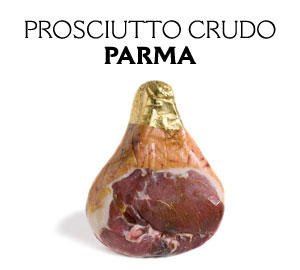
Check the brands, the protected names and how the supplier sources them. Real Italian products carry recognised brands and, where it applies, a DOP or IGP name such as Prosciutto di Parma DOP or a named regional cheese. A specialist wholesaler should be able to tell you where a product comes from and why they carry it, rather than shipping a generic own-label version with an Italian-sounding name. You can judge a lot from the brand list a supplier holds, so look at the Italian brands we stock before you commit.
Authenticity sells for you, too. Naming the real producer or the DOP origin on your menu or counter gives customers a reason to trade up, and you can only do that if your supplier deals in the genuine article.
What about minimum orders and pricing?
Check the minimum order value, the delivery threshold and whether trade pricing holds over time. A delivered account almost always has a minimum order or a threshold for free delivery, so make sure it fits how much you actually buy in a week. A small café and a busy pizzeria have very different weekly spends, and the right supplier has a minimum you can hit without overbuying.
On price, look past the headline rate. Trade pricing that stays stable, with no surprise jumps, is worth more than a low introductory list that drifts upward. Ask how pricing works on a trade account, and whether volume or standing orders change it.
What different businesses should prioritise
Different kitchens weight the checks differently. These are the priorities that tend to matter most by business type.
Pizzeria
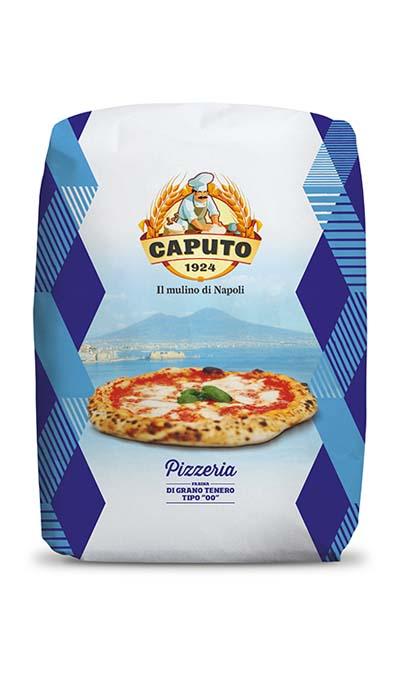
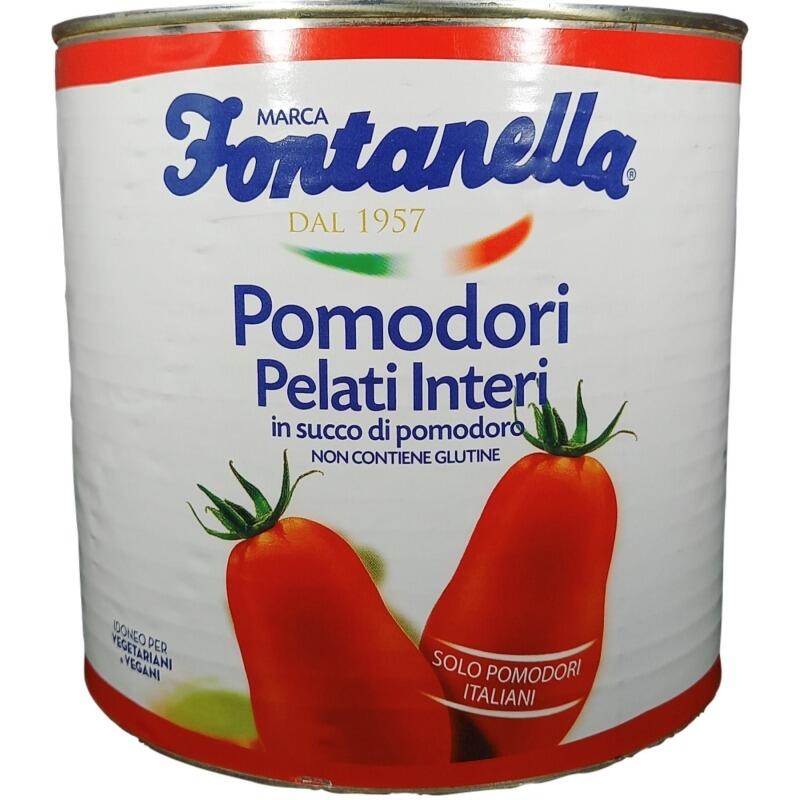
Priorities: flour by the sack, consistent mozzarella and tomatoes, a dependable delivery day and a cut-off that fits prep.
Watch: consistency batch to batch, since a dough that behaves differently each week costs you service.
Deli
Priorities: range depth and authenticity, whole cured meats and cheeses, smaller and more frequent chilled deliveries.
Watch: the cold chain and the freshness on arrival, because the counter sells on freshness.
Italian restaurant or trattoria
Priorities: breadth across cheese, salumi, pasta, pantry and wine, standing orders and one relationship.
Watch: whether one account really covers the full menu, so you are not running three suppliers.
Café or sandwich counter
Priorities: reliable core lines, cooked meats, coffee and a minimum order you can hit.
Watch: the minimum order value, so a smaller weekly spend still qualifies for delivery.
How should you trial a new wholesaler?
Trial a wholesaler on your core lines first, then scale once reliability is proven. Do not move the whole menu across on day one. Open the account, order the lines you use most, and judge the supplier on how they perform before you commit the rest.
What should you ask before you open an account?
Ask the questions that tell you whether the account will be reliable, because a wholesale relationship lives on the repeat.
→How deep is the range, and can I get cheese, meat, flour, pantry and drinks on one account?
→What is the minimum order value and the delivery threshold?
→Which days do you deliver to my area, and what is the order cut-off?
→How is chilled and frozen stock delivered, and how do you protect the cold chain?
→Which brands and DOP or IGP lines do you carry, and how do you source them?
→Can I set standing orders, and how do you handle a line being out of stock?
→Who do I speak to when something goes wrong?
A supplier who answers those plainly is one you can build a menu around. Open a trade account is where that relationship starts once you are satisfied.
Common mistakes when choosing an Italian food wholesaler
01. Choosing on the price list alone. Reliability and range cost more than a slightly lower rate if lines go missing.
02. Splitting the order across too many suppliers. More deliveries, more invoices and less consistency.
03. Ignoring minimum orders and thresholds. A minimum you cannot hit means overbuying or paying for delivery.
04. Not testing delivery before committing the menu. Trial the core lines first, then scale.
05. Assuming "Italian" on the label means authentic. Check the brands and protected names.
06. No plan for out-of-stock lines. Ask how substitutions and shortages are handled before they happen.
07. Overbuying on the first order for a discount. Fresh and chilled lines tire before you use them.
08. Not knowing who to call. A named contact matters the day a delivery slips.
How to review your supplier
Review the supplier the same way each quarter, because a short, repeatable check keeps the relationship honest.
Is the range still covering the menu? Note any line you now buy elsewhere and ask whether the supplier can carry it.
Are deliveries on time and complete? Track missed or short deliveries and raise a pattern early.
Is quality consistent? Flag any line that changed batch to batch, especially flour and fresh lines.
Is communication working? Check you can reach a person quickly when something goes wrong.
Your wholesaler checklist
✓Range deep enough to cover the menu from one account.
✓Reliable delivery days with a proper chilled and frozen cold chain.
✓Recognised brands and DOP or IGP lines, honestly sourced.
✓A minimum order value you can hit without overbuying.
✓Consistent quality and stock, order after order.
✓A named contact for when something goes wrong.
✓A trial on core lines before you move the whole menu across.
Related reading
Open an Italian food trade account with A Di Maria & Son
Family-run Italian food & wine wholesaler since 1975, based in Coventry and delivering to the West Midlands and across the UK. One account covers cheese, cured meats, flour, tomatoes, pantry, drinks and desserts, with a chilled and frozen cold chain and a person to speak to when you need one.
Apply for a trade account to get your pricing and delivery days set up. Call 02476 680 514 or email contact@adimaria.co.uk with your business type, weekly spend and delivery area, and we will show you how one Italian account can cover the menu.
FAQs
What is the difference between an Italian cash and carry and a trade account?
A cash and carry means you collect and pay at the shelf, with no minimum order. A trade account is delivered on set days with trade pricing and standing orders and a deeper range, in exchange for a minimum order value.
What should I check before opening a wholesale account?
Range depth, delivery reliability, authenticity, minimum orders and how consistently you can reorder. Price is worth checking, but it comes after reliability and range.
Do Italian food wholesalers deliver nationwide?
Many do. A wholesaler with a central base can deliver well beyond its own region, which is how A Di Maria & Son supplies the West Midlands and the wider UK from Coventry.
Is there a minimum order for a trade account?
Usually a minimum order value or a threshold for free delivery. Check it fits your weekly spend before you commit, since a café and a busy pizzeria buy very differently.
How do I know a supplier's Italian products are authentic?
Look for recognised brands and DOP or IGP names, and ask how the supplier sources them. A specialist wholesaler can tell you where a product comes from and why they carry it.
Can I get cheese, meat, flour and drinks on one account?
With a specialist Italian wholesaler, yes. A broadline supplier tends to carry a shallower Italian range, so one specialist account often covers the menu better with fewer deliveries.
Tell us your business type, weekly spend, delivery area and the categories you order most, and we will show you how a single Italian food account can cover your menu reliably. Start narrow, prove demand, then expand from evidence.

